
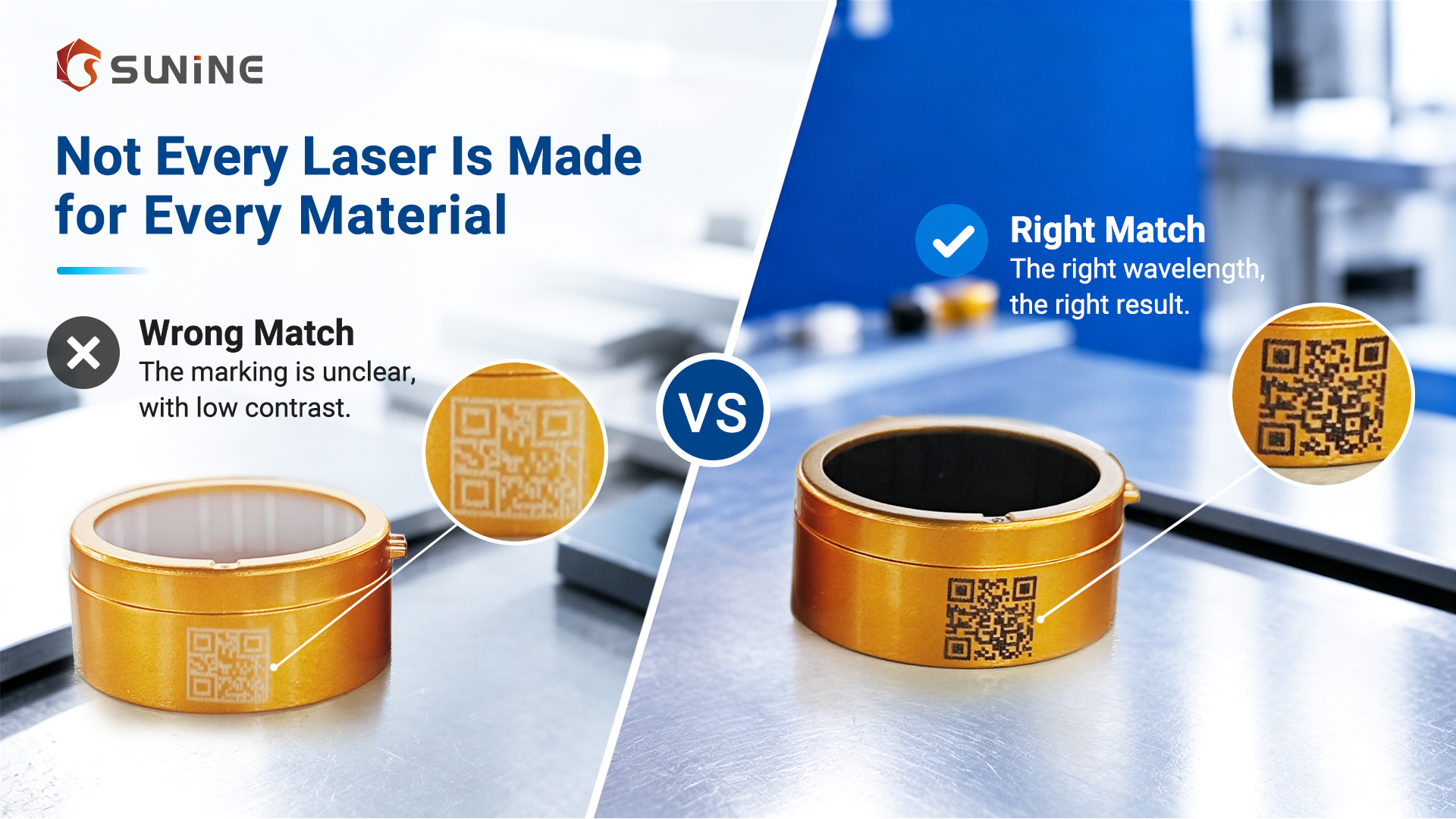
Choosing a laser marking machine is not simply about buying more power. The real question is: Does the laser match your material, your marking result and your production needs?
The best laser is not necessarily the most powerful one. It is the right one for the job.
The mistake starts with one simple question.
“How many watts do I need?” is often the first question buyers ask. But wattage is only one part of the equation. Different wavelengths interact with different materials in very different ways.
POWER ≠ PERFORMANCE
Material absorption and thermal response matter. A higher-power laser can still be the wrong match, while a lower-power laser with the right wavelength and parameters can produce a cleaner, more suitable result.
Three technologies. Three different strengths.
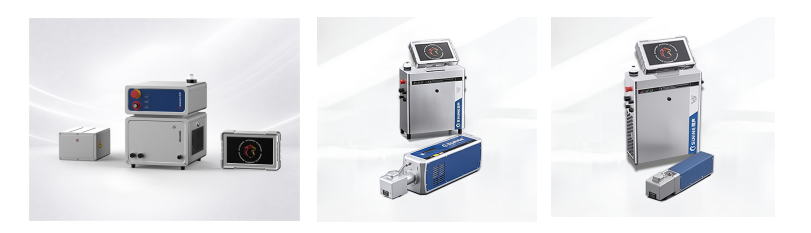
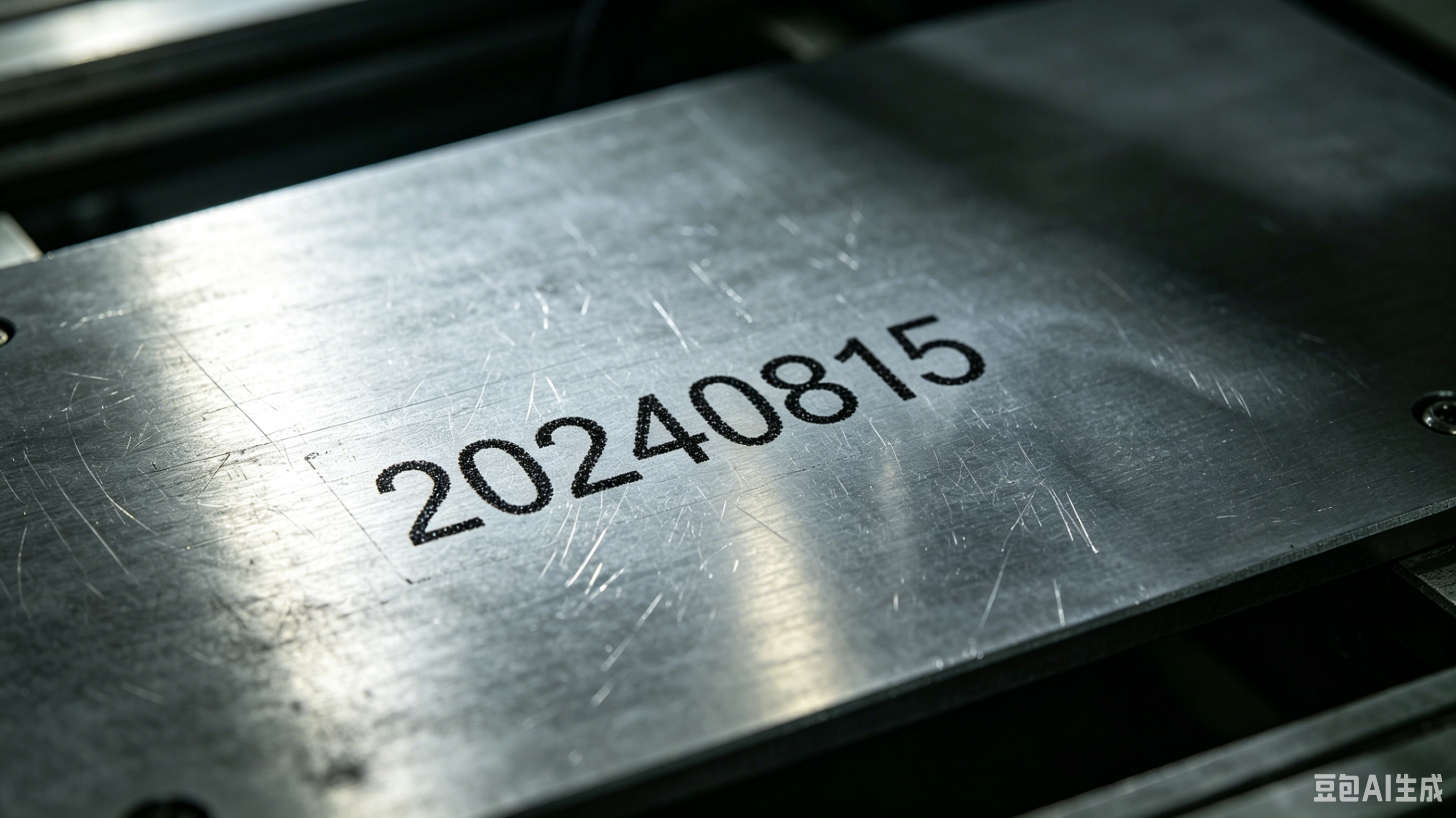
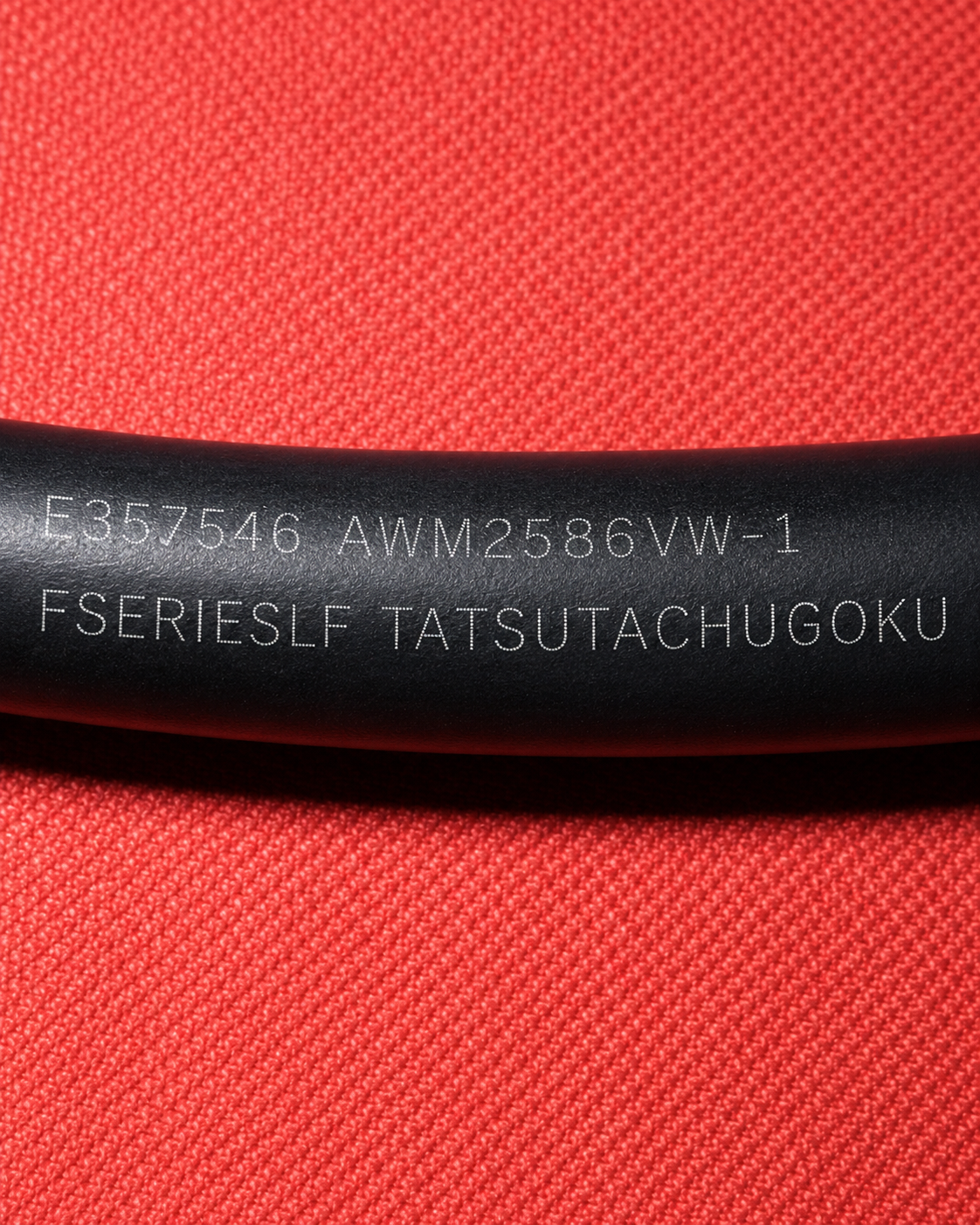
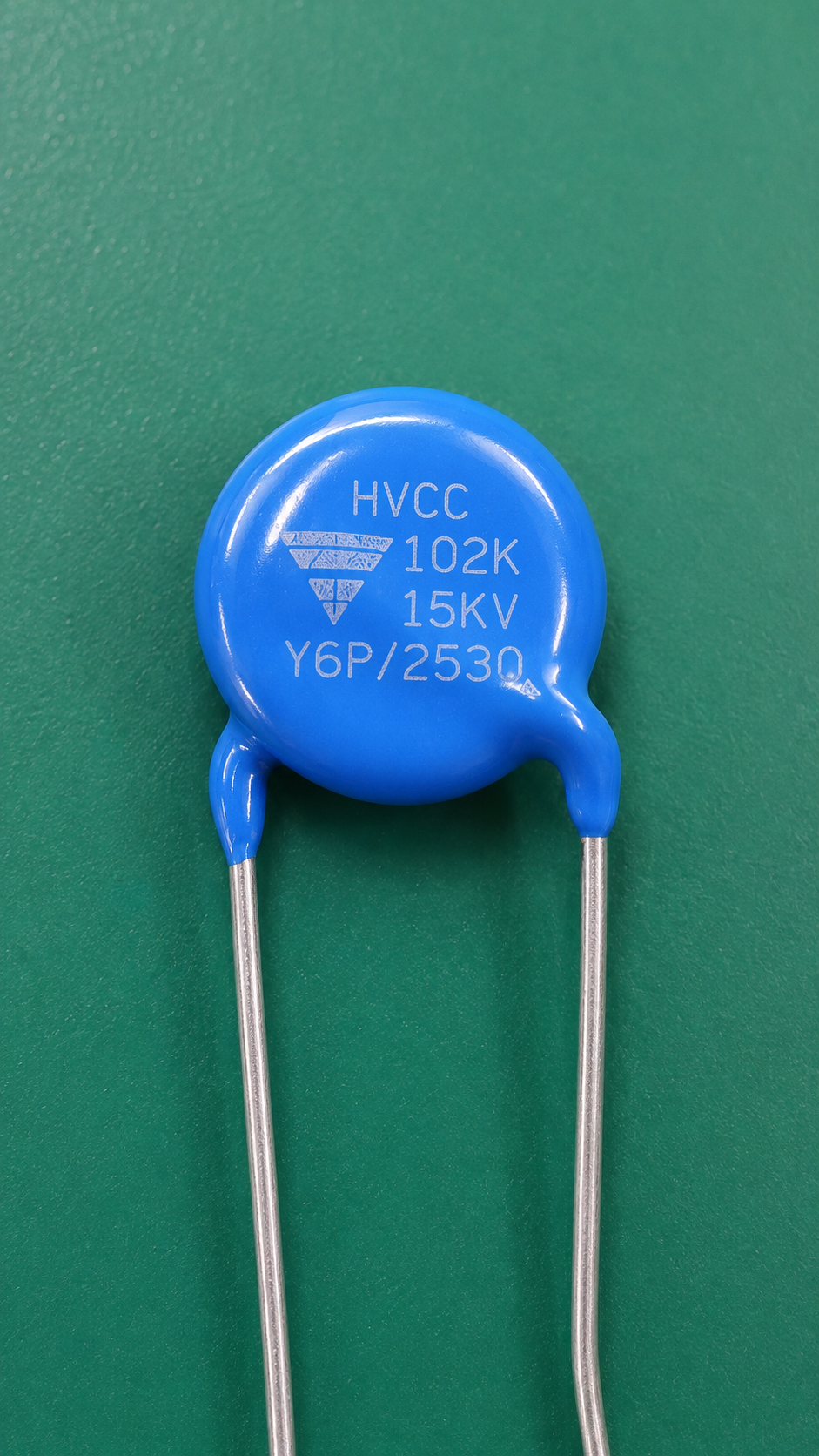
FIBER LASER — Metal-focused performance
Commonly selected for stainless steel, aluminum, brass and many metal components for durable identification, QR codes, serial numbers and engraving.
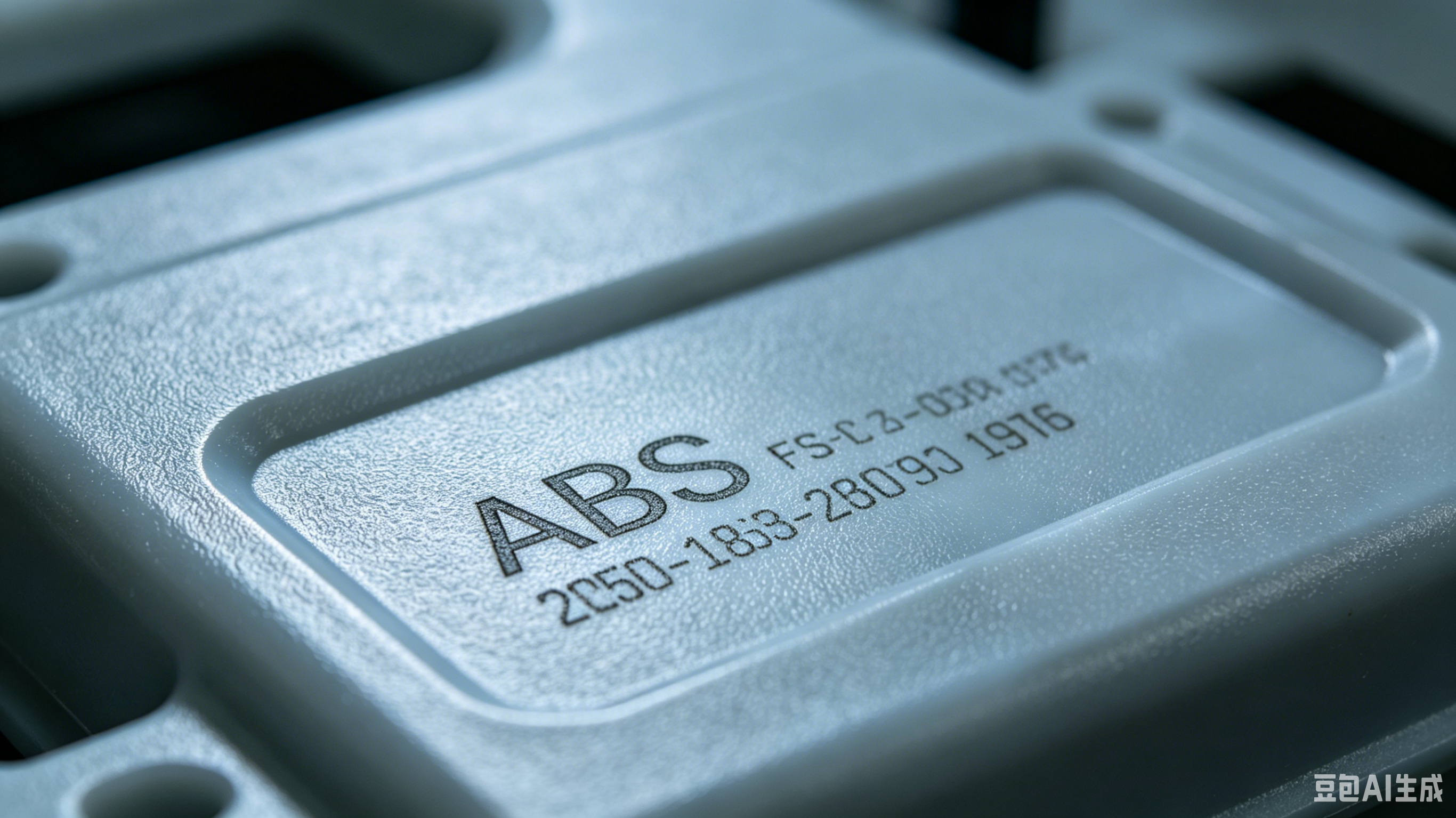
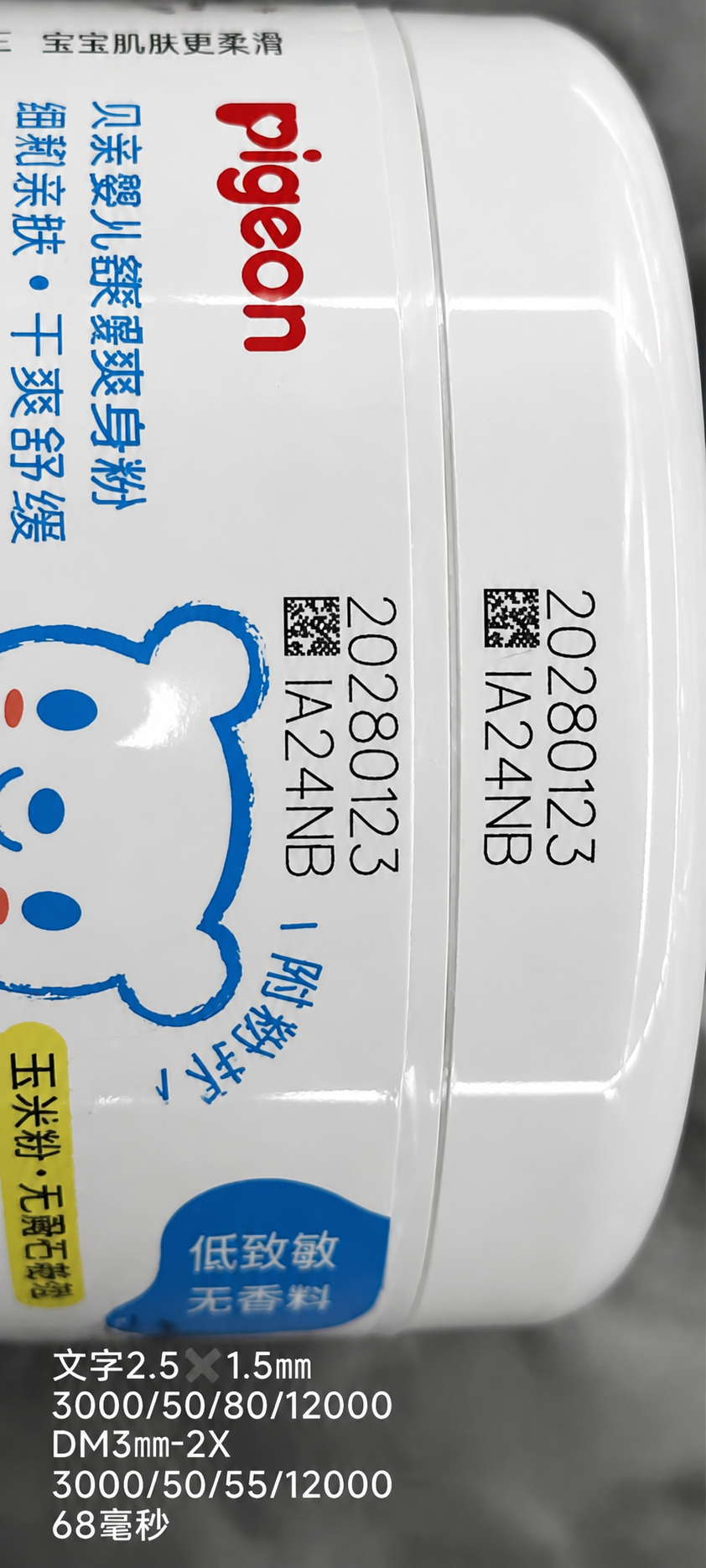
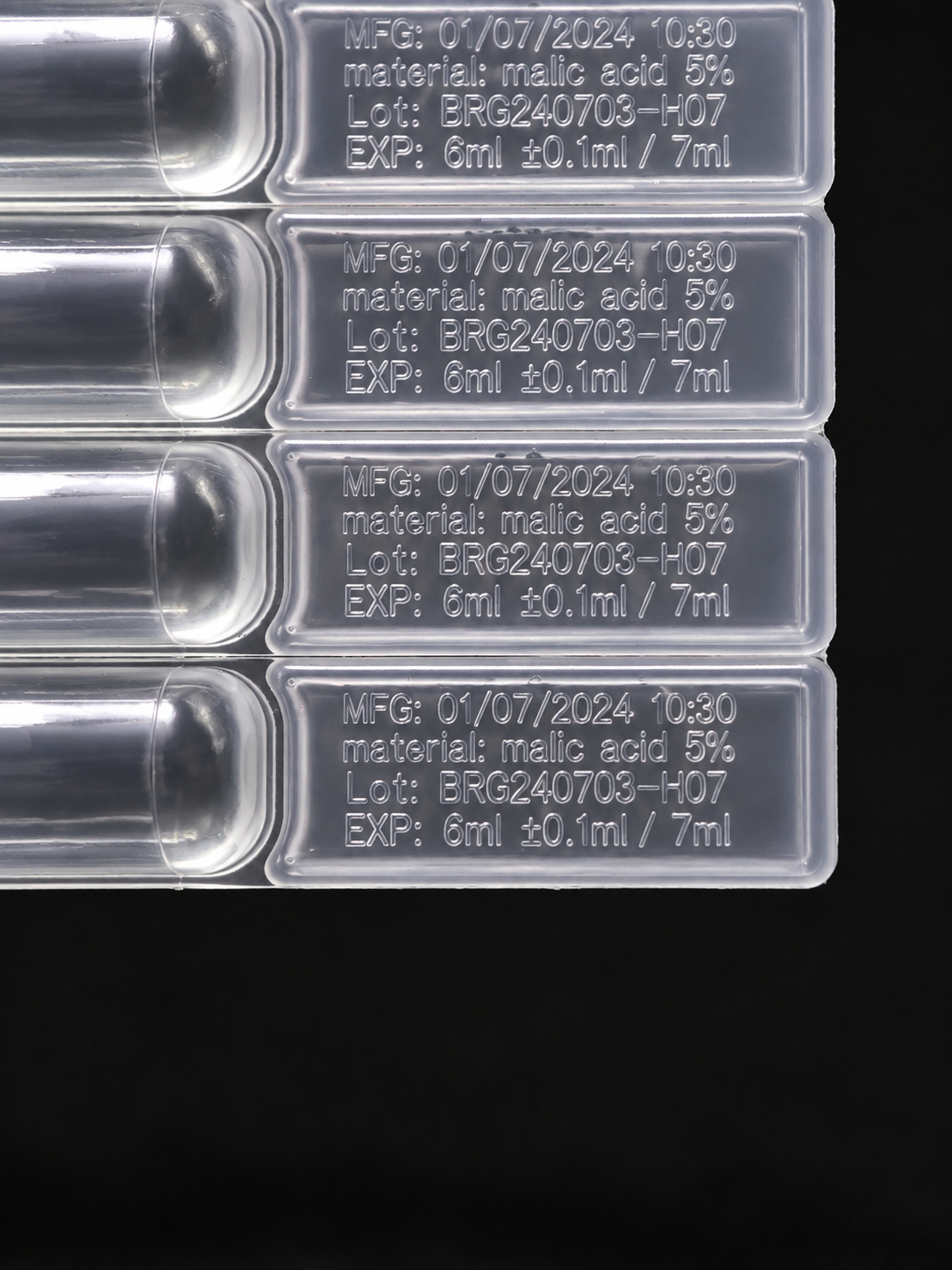
UV LASER — Fine, low-heat marking
Often chosen for fine-detail applications and materials where excessive heat can be a concern, including many plastics, electronics and sensitive surfaces.
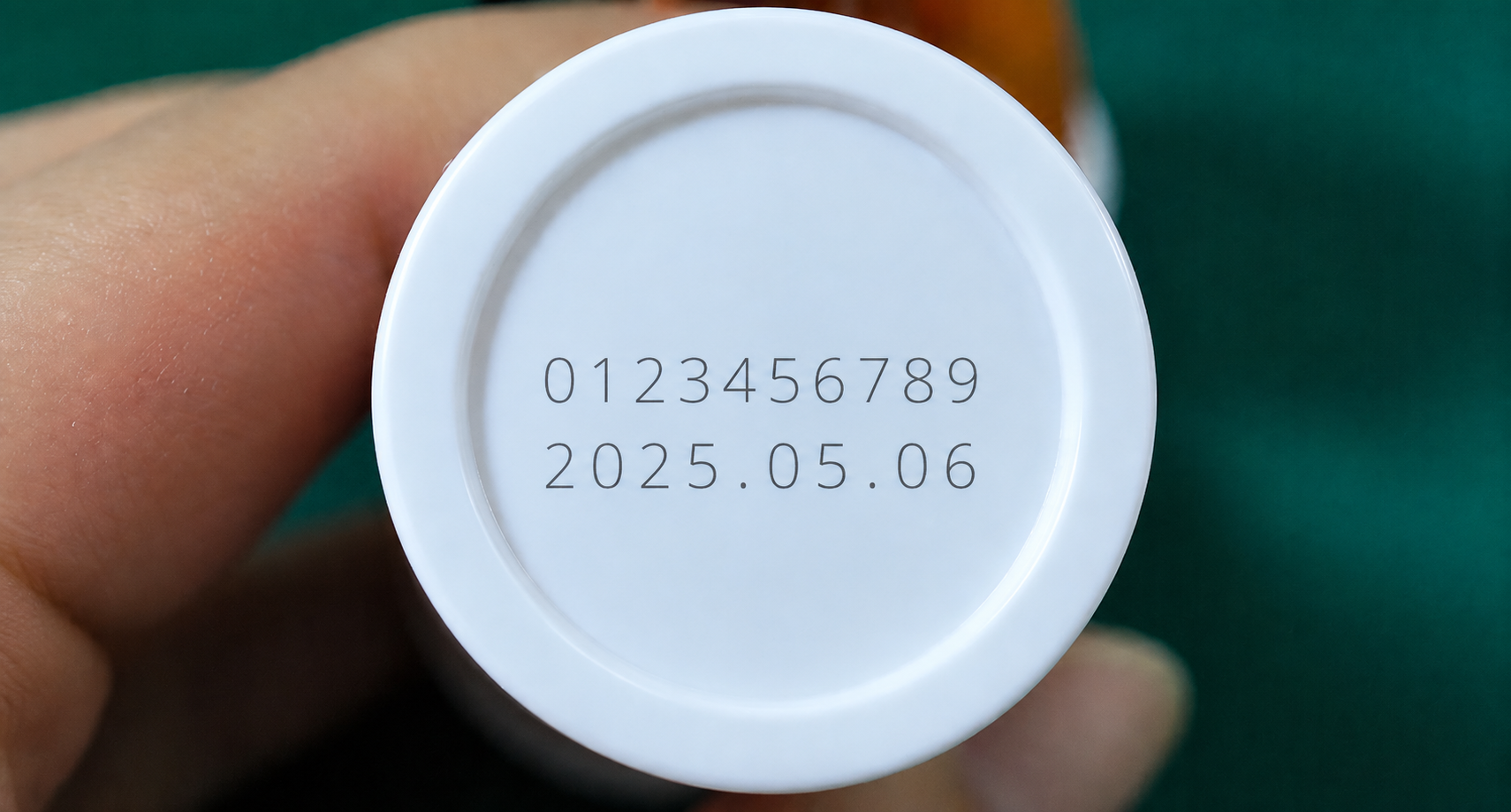
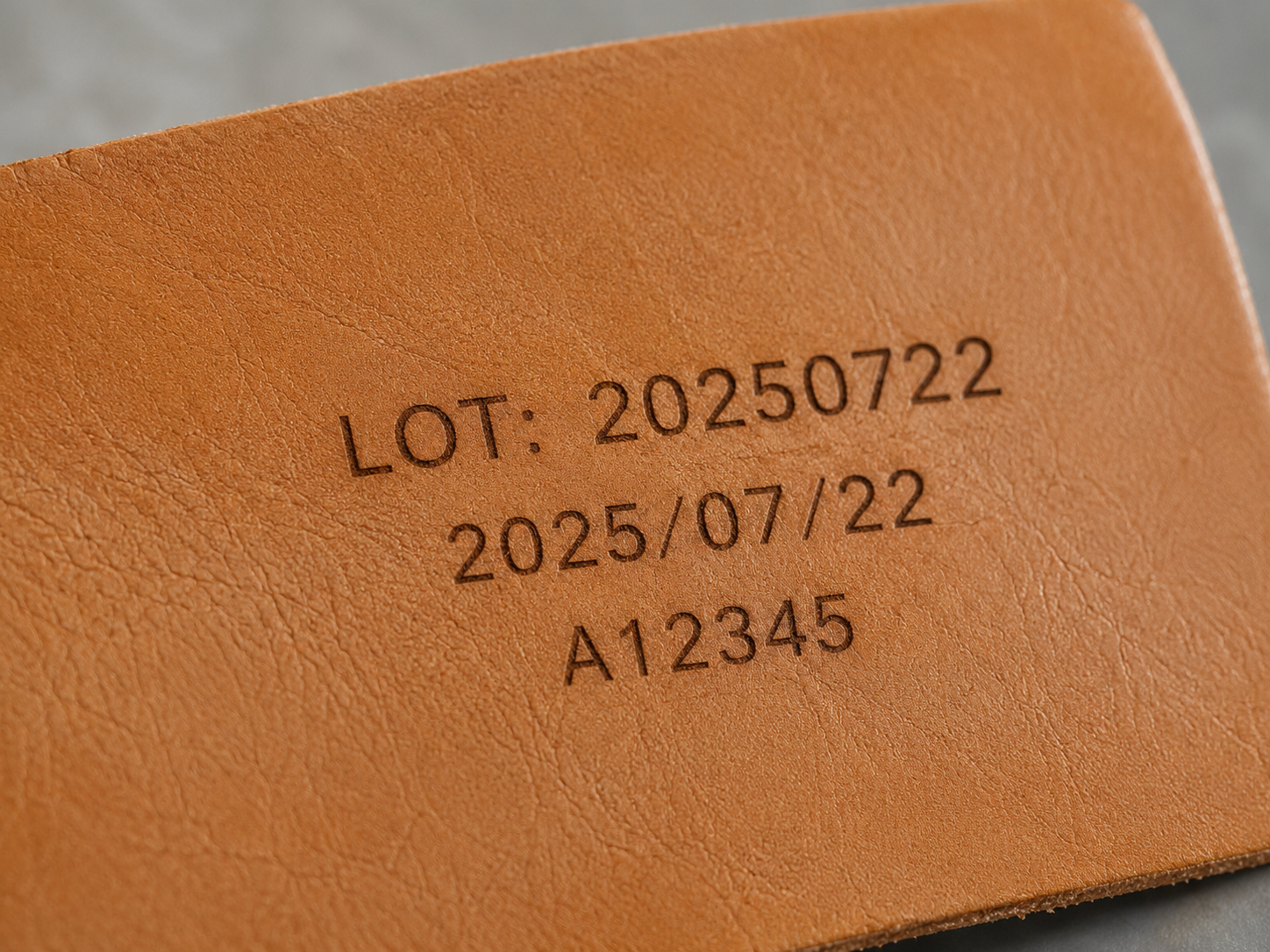
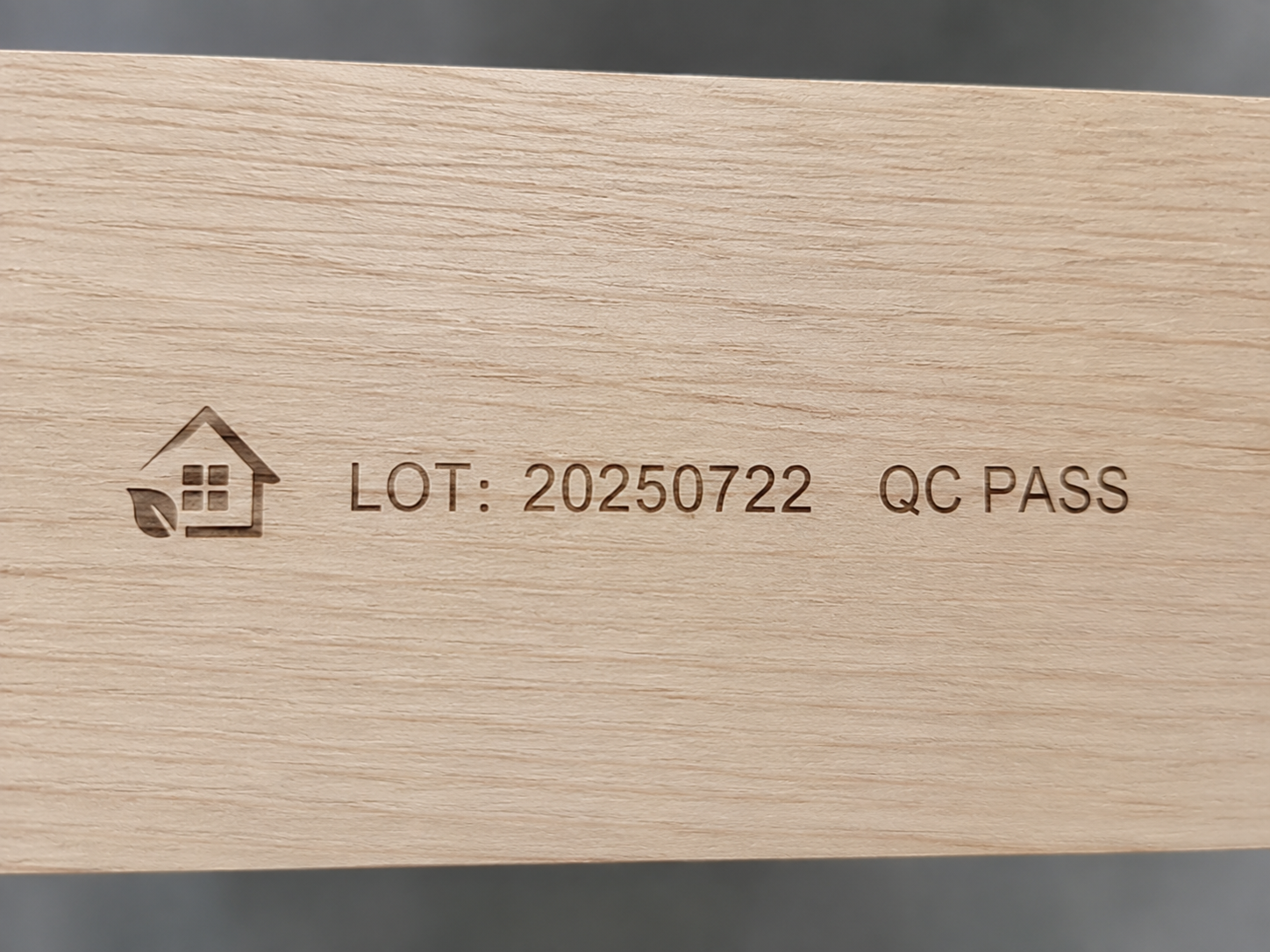
CO₂ LASER — Non-metal applications
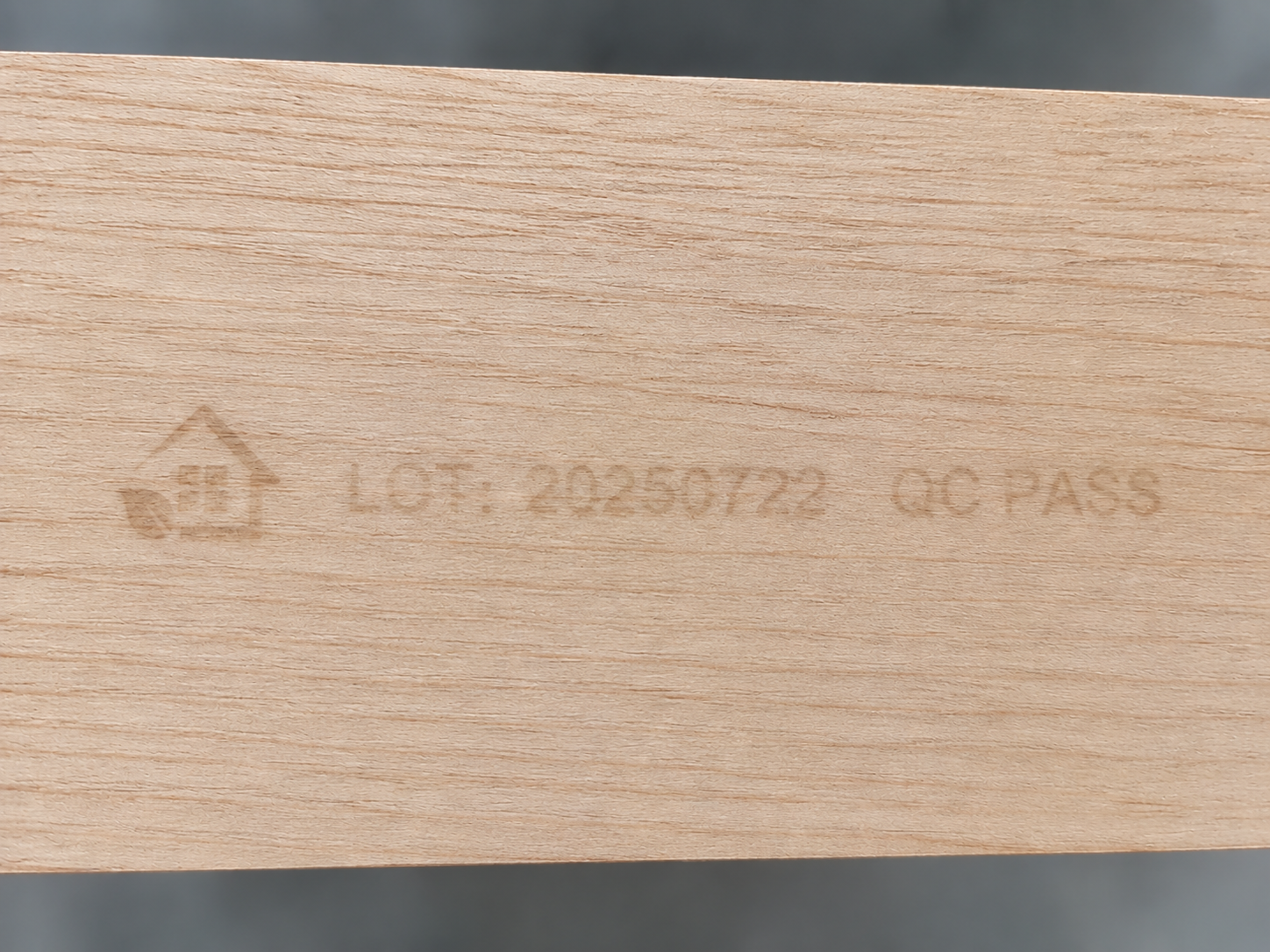
Widely used for paper, cardboard, wood, acrylic and other non-metallic applications, depending on the exact material and process.
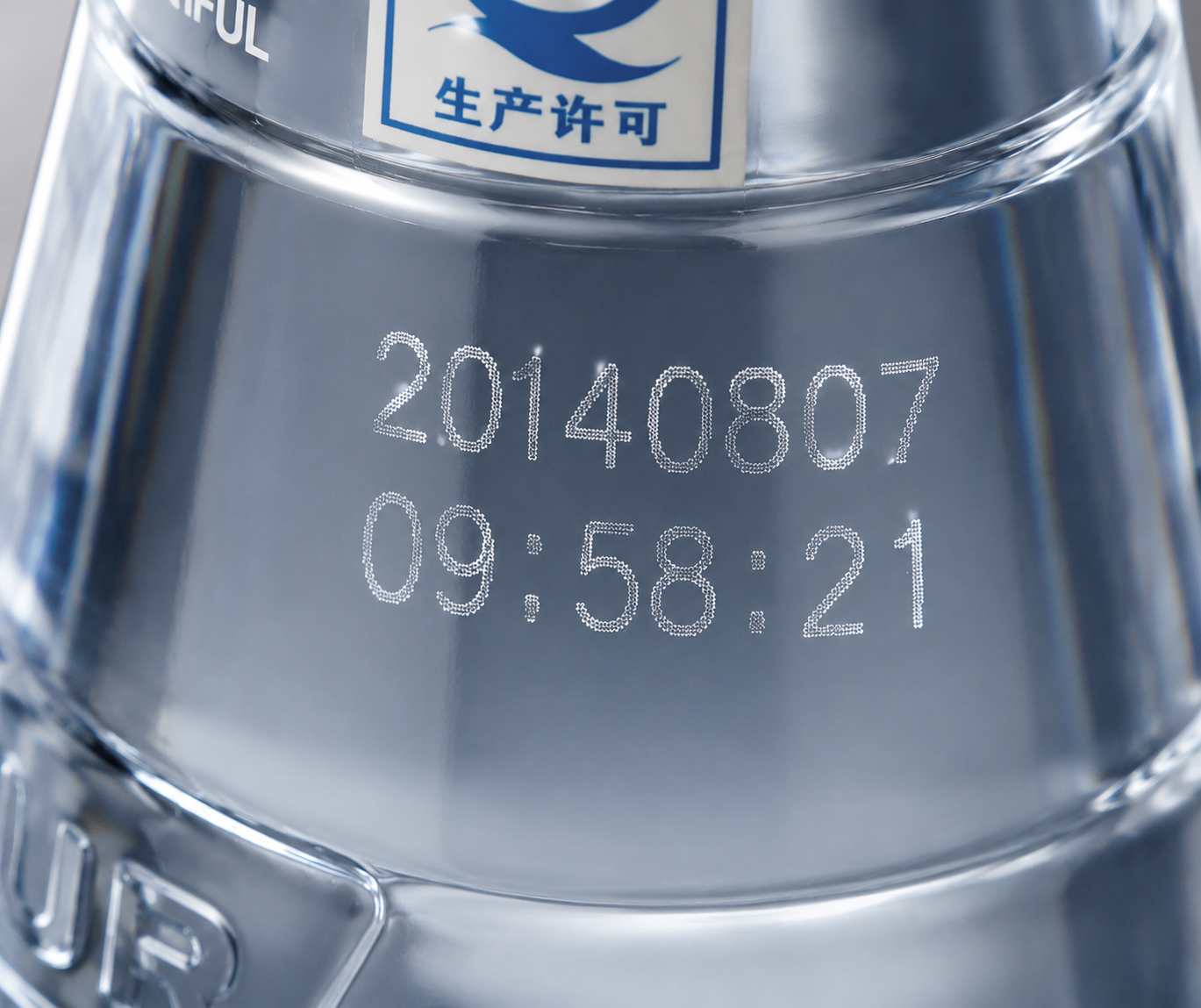
What happens when the laser is wrong?
An unsuitable laser-material combination can lead to poor contrast, melting, discoloration, deformation or an unstable production process.
RIGHT MATCH → Clean / precise / repeatable
WRONG MATCH → Weak / inconsistent / damaged
Think beyond wattage.
| Factor | Why it matters |
|---|---|
| Material | Composition, color, coating and surface condition affect laser absorption. |
| Wavelength | Different wavelengths interact differently with different materials. |
| Power | Influences energy delivery, but higher power does not automatically mean a better mark. |
| Speed & parameters | Frequency, pulse settings, focus and scanning speed affect the final result. |
| Production goal | Contrast, depth, fine detail, cycle time and automation requirements all matter. |
Before choosing a machine: test the actual material whenever possible. A sample test can reveal far more than a wattage number on a specification sheet.
Ask these 3 questions first.
What exactly are you marking?
Identify the actual substrate, coating, color and surface—not just the product category.
What result do you need?
Fine detail? High contrast? Permanent identification? Deep engraving? The target changes the machine choice.
How will it run?
Consider speed, production volume, repeatability, operator workflow and automation.
SUNINEStart with the material. End with the right laser.
Have a material you're unsure about? Test it before you choose the machine.
Talk with our laser marking team
Tell us about your material, marking content and production requirements.
Contact Us