
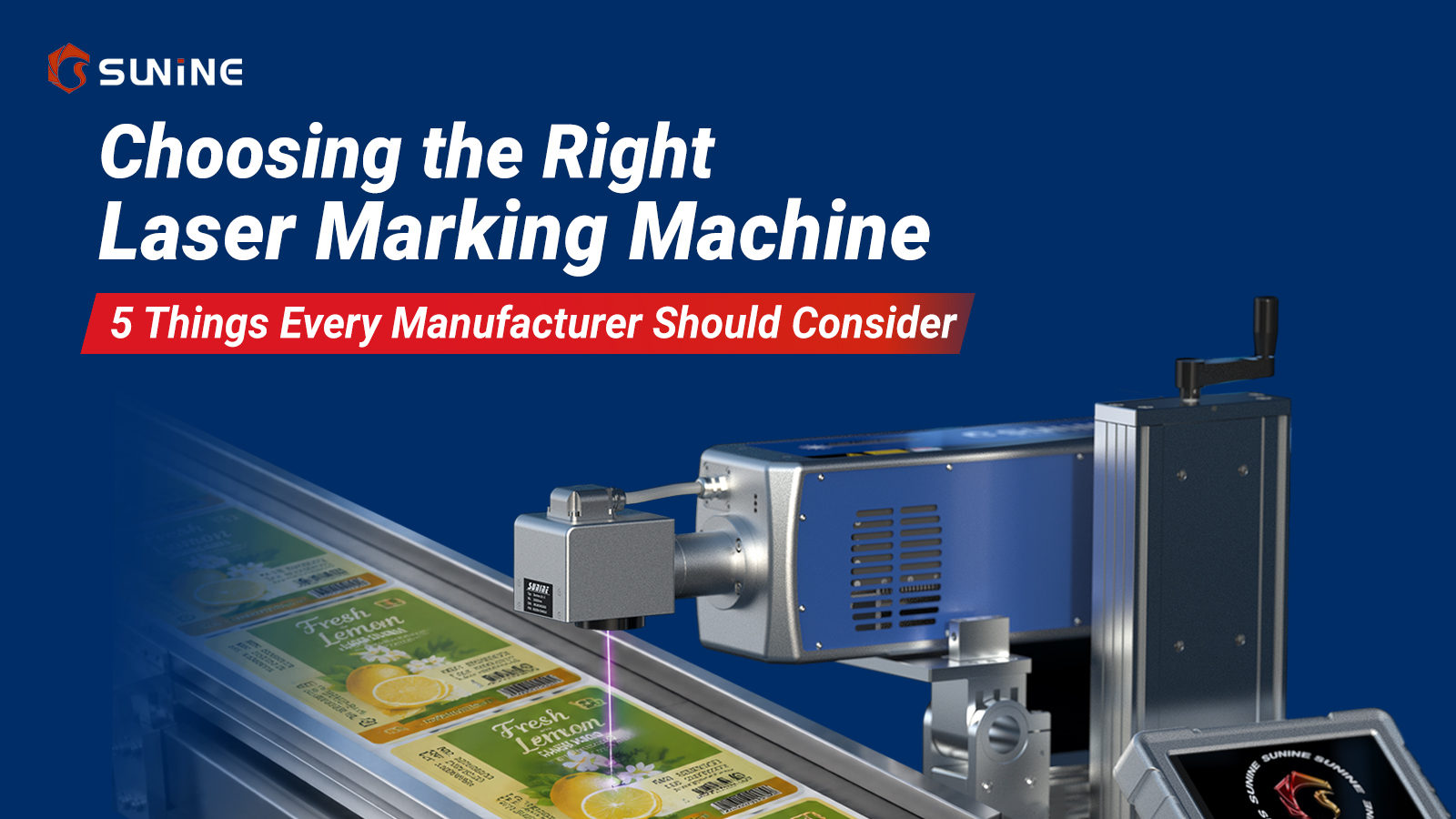
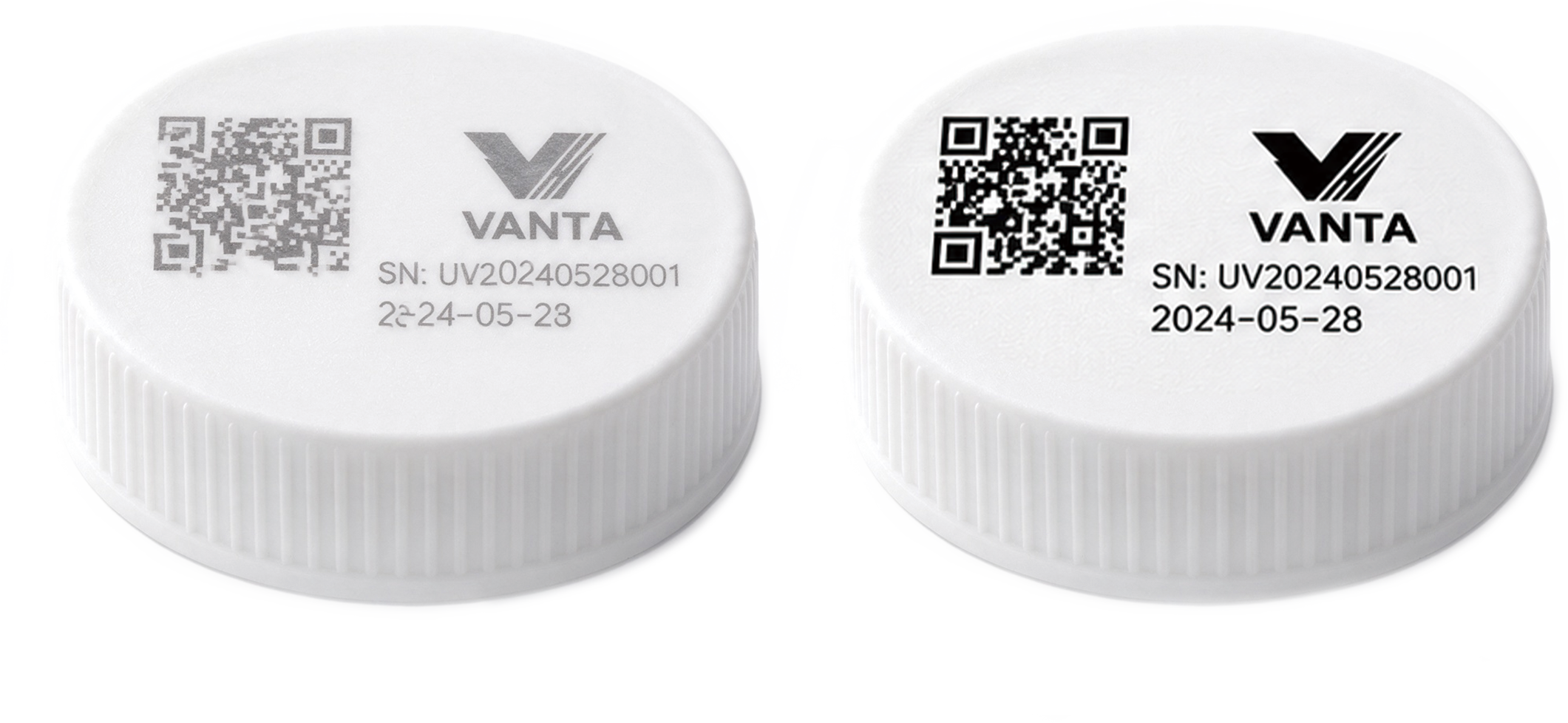
A laser marking machine may seem like a small part of your production line, but choosing the wrong one can lead to much bigger problems.
Poor marking quality can make product codes unreadable. Insufficient processing speed can slow down your entire production line. Incompatible laser technology may damage product surfaces, while inadequate system integration can create unnecessary manual work.
These problems don't just affect marking results. They can increase operating costs, reduce production efficiency, and create challenges for product traceability.
So, how do you avoid these issues?
Before investing in a laser marking machine, there are five critical factors every manufacturer should understand.
Material Compatibility: Will the Laser Work with Your Products?
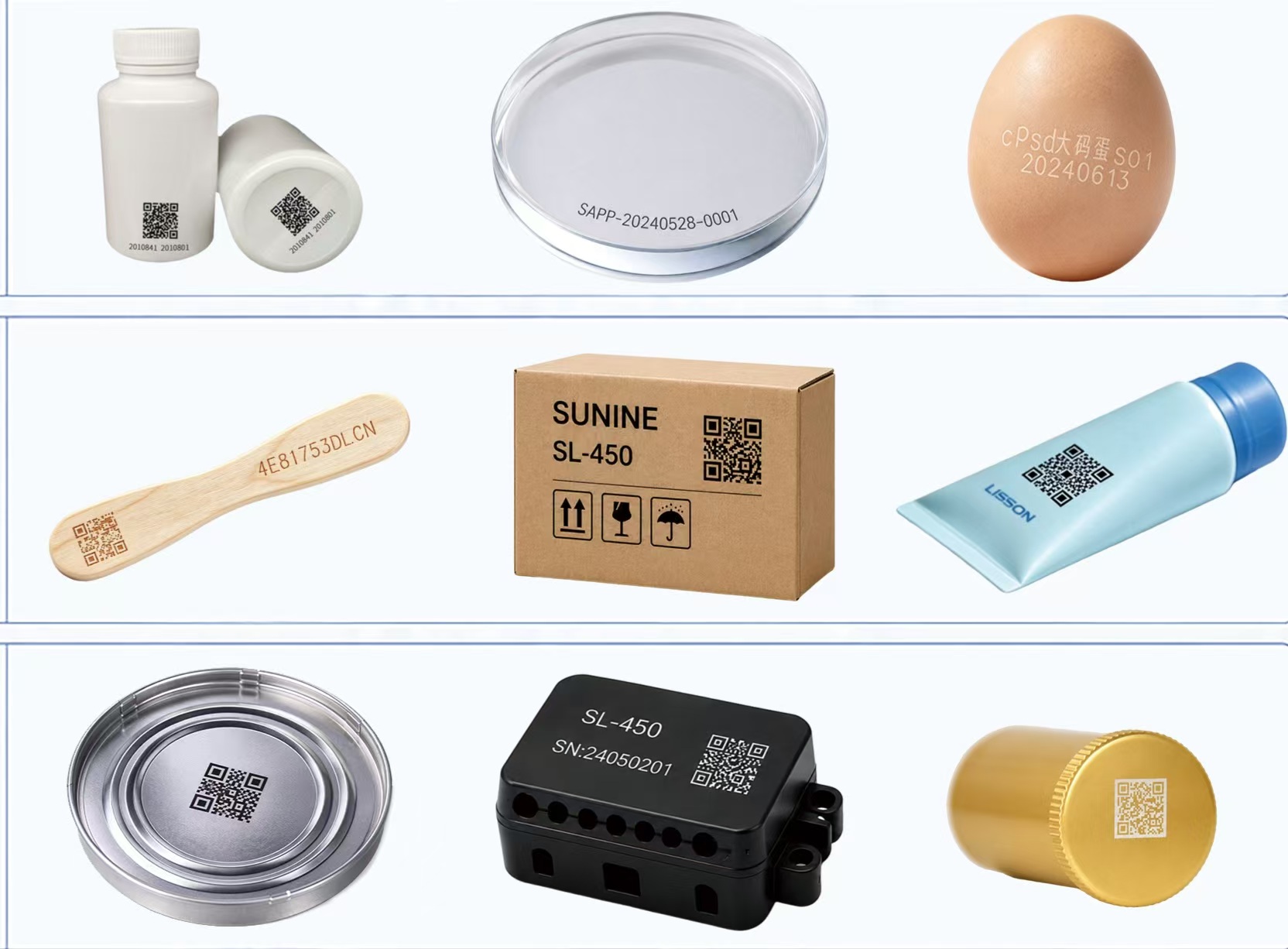
Different materials absorb laser energy differently. A laser source that delivers excellent results on metal may not be suitable for plastic, glass, or packaging materials.
Choosing the wrong technology can result in low marking contrast, uneven finishes, excessive heat effects, or even permanent surface damage.
What should you consider?
- Material type: Identify whether your products are made of metals, plastics, glass, ceramics, paper, or other materials.
- Surface characteristics: Consider whether the surface is coated, painted, reflective, curved, or sensitive to heat.
- Marking requirements: Determine whether you need engraving, surface color change, high-contrast marking, or fine-detail processing.
- Sample testing: Test the laser on your actual materials before making a final decision.
A useful tip: Don't choose a laser based on material names alone. Even two products made from the same material may require different laser parameters depending on their surface treatment, color, and marking requirements.
Production Speed: Can It Keep Up with Your Production Line?
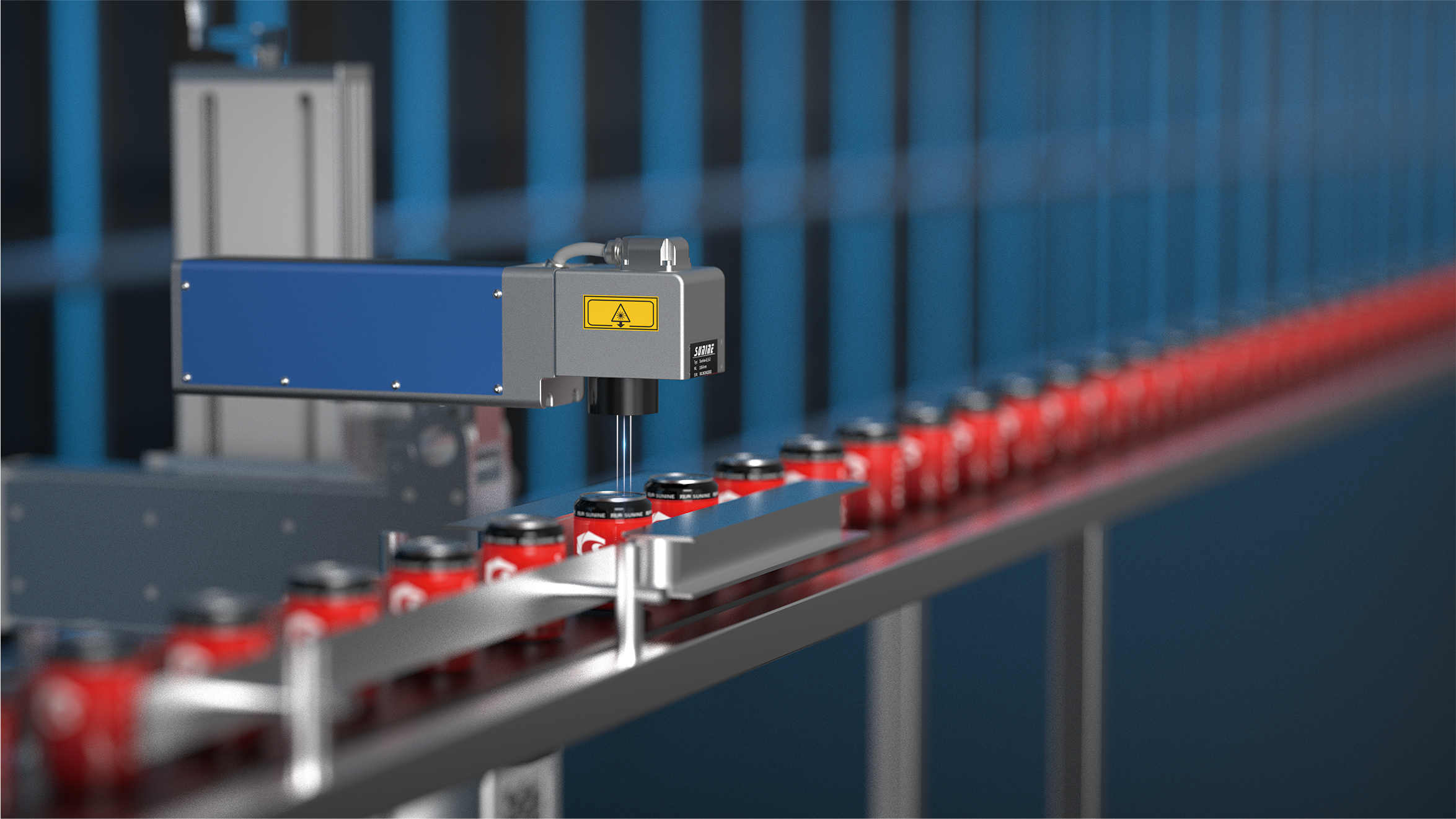
A machine's advertised marking speed does not necessarily reflect its actual production capacity.
In real manufacturing environments, overall cycle time depends on more than how quickly the laser moves. Marking content, code complexity, product positioning, conveyor speed, and loading and unloading processes all affect output.
If the marking process cannot keep pace with upstream and downstream operations, it can become a production bottleneck.
What should you consider?
- Required output: Calculate how many products need to be marked per minute or per hour.
- Marking content: More characters, larger graphics, and complex QR codes generally require more processing time.
- Product movement: Determine whether products are stationary or marked while moving along a conveyor.
- Positioning accuracy: Consider whether automatic positioning or vision-based correction is necessary.
- Actual cycle time: Evaluate the complete marking process rather than relying solely on the laser's maximum speed.
A useful tip: Always calculate marking time under actual production conditions. A machine with impressive technical specifications may still fail to meet your required output if its integration and positioning processes are not properly configured.
Code Quality & Traceability: Will Your Markings Remain Readable?
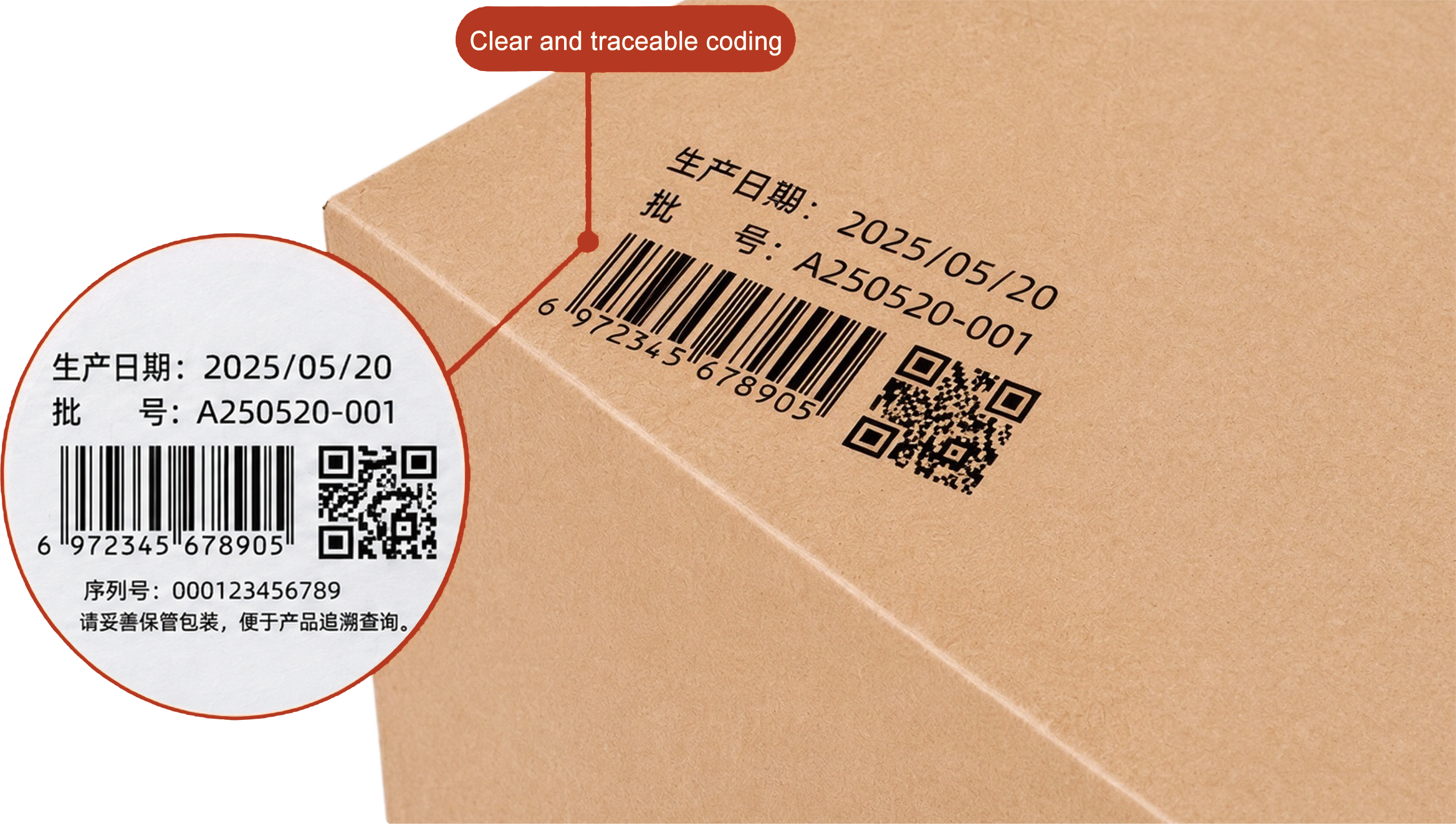
A marking is only useful if it can be read and identified when needed.
Blurred characters, low-contrast QR codes, inconsistent barcode quality, or markings that fade over time can interfere with scanning, inventory management, and product tracking.
As supply chains become more connected and product identification requirements become more demanding, marking quality plays an increasingly important role in manufacturing.
What should you consider?
- Code readability: Ensure that characters, barcodes, and QR codes have sufficient contrast and clarity for reliable scanning.
- Marking consistency: Maintain uniform quality across different products and production batches.
- Code durability: Consider whether markings need to withstand friction, moisture, chemicals, heat, or other environmental conditions.
- Data flexibility: Check whether the system supports variable information such as serial numbers, batch numbers, production dates, and dynamic QR codes.
- Verification: Consider barcode verification or vision inspection to detect marking defects before products leave the production line.
A useful tip: Don't evaluate marking quality only by how it looks immediately after processing. Test whether the code remains readable after the product goes through its actual storage, handling, and distribution conditions.
System Integration: Will It Work with Your Existing Production Line?
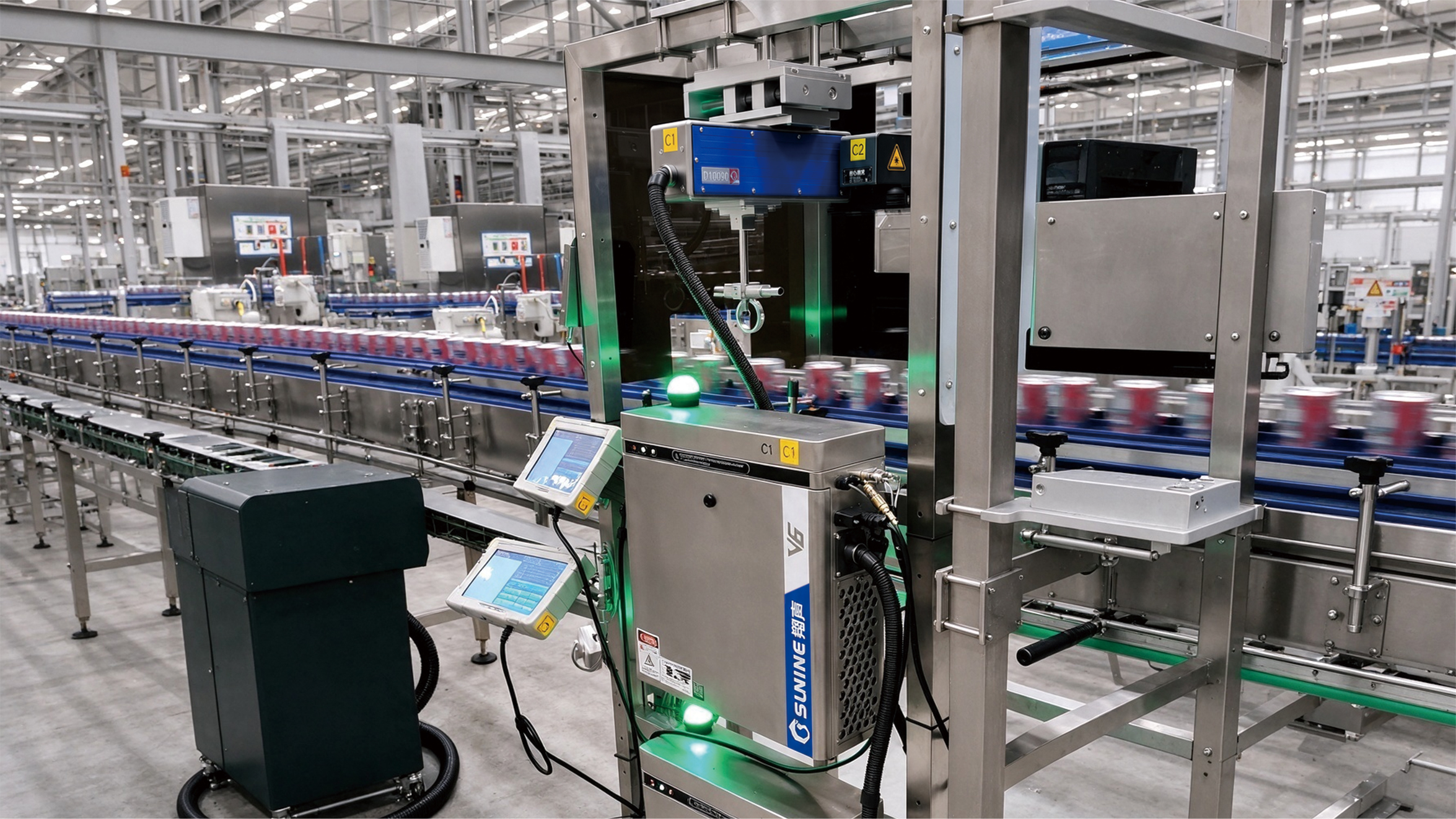
A laser marking machine rarely operates in isolation. In automated manufacturing, it needs to communicate and coordinate with other equipment and production management systems.
Without proper integration, operators may have to enter information manually, production data may become inconsistent, and errors can occur when product specifications or marking content change.
What should you consider?
- Communication protocols: Check compatibility with industrial interfaces and communication protocols such as Ethernet, TCP/IP, RS232, and I/O.
- Production systems: Determine whether the machine needs to exchange information with MES, ERP, or PLC systems.
- Automated operation: Consider synchronization with conveyors, sensors, robotic arms, and other production equipment.
- Vision inspection: Evaluate whether cameras or inspection systems are needed for automatic positioning and marking quality checks.
- Future scalability: Make sure the system can accommodate additional equipment or production upgrades.
A useful tip: Define your integration requirements before purchasing the machine. Confirm the available interfaces, communication methods, and data exchange requirements with both the laser supplier and your automation team.
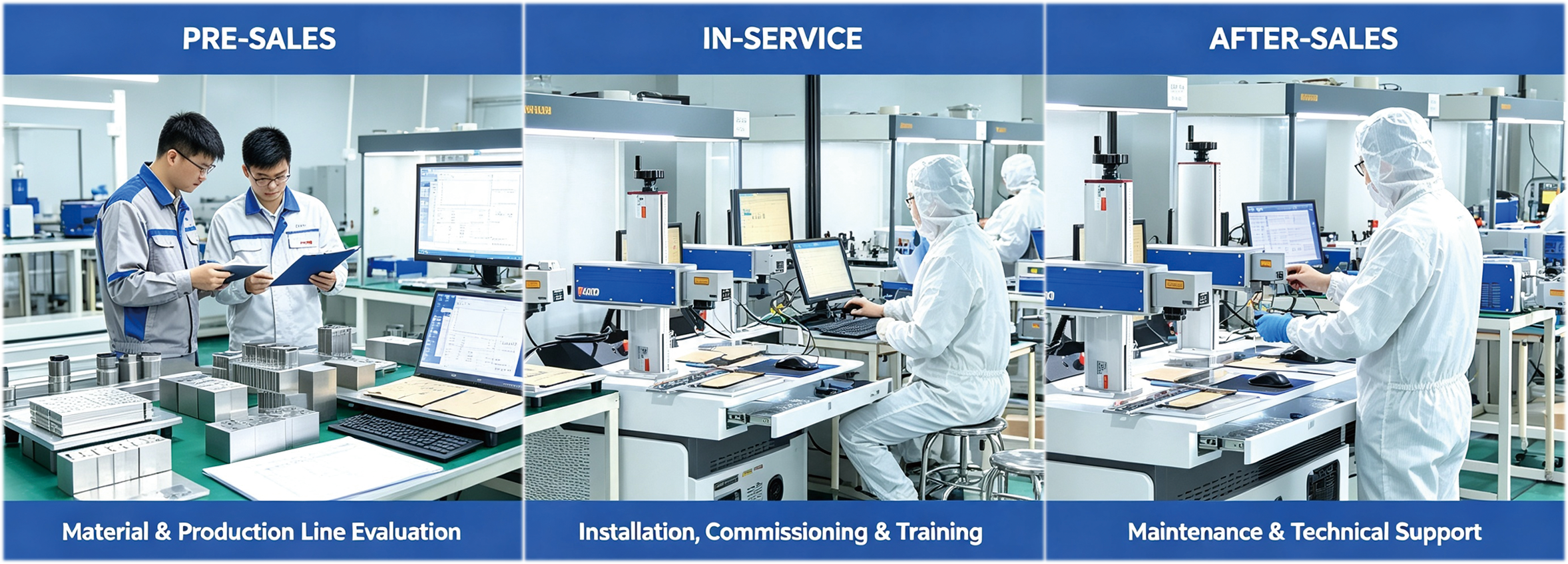
After-Sales Support: What Happens When Something Goes Wrong?
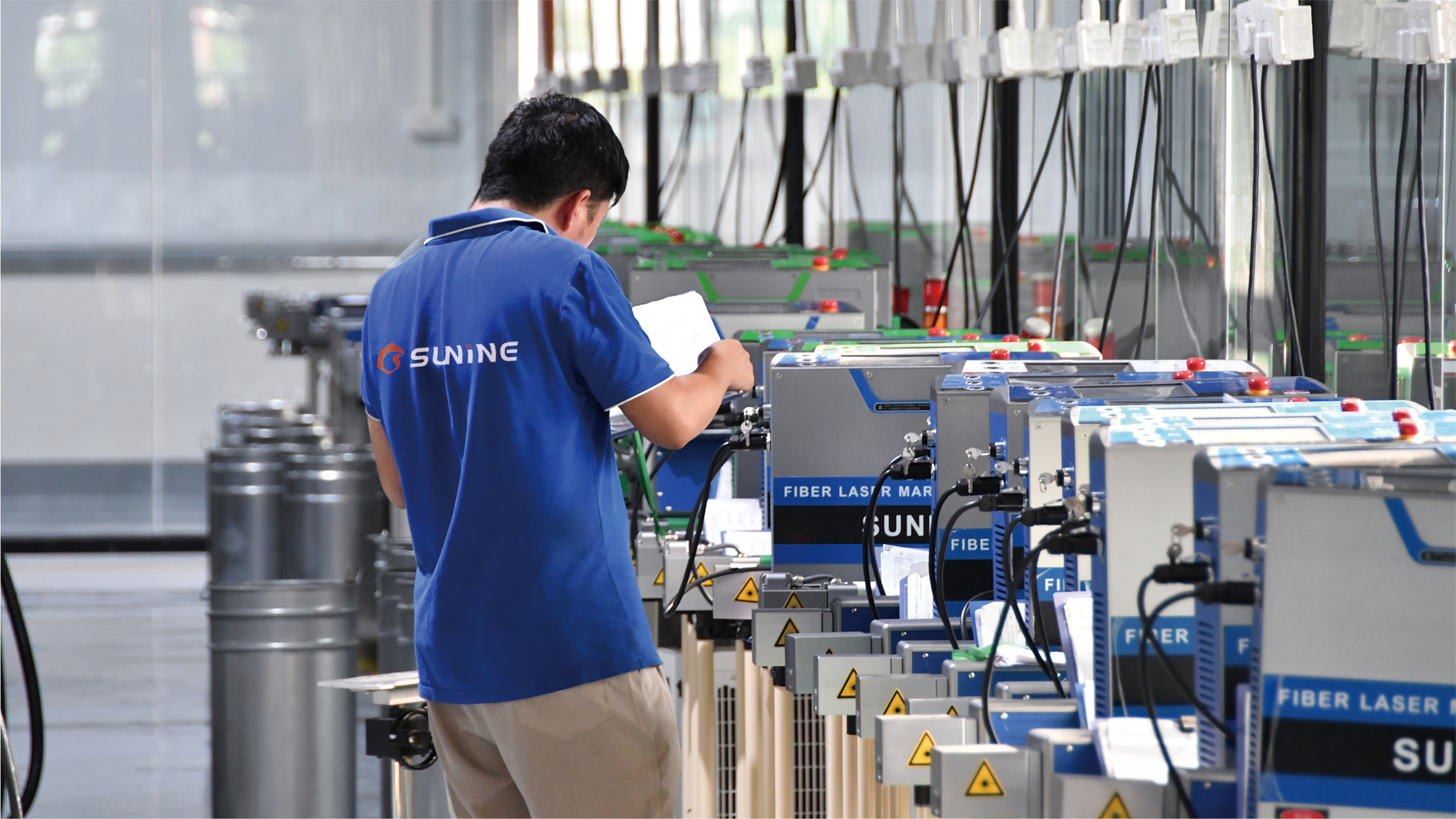
The purchase price is only one part of the total cost of owning industrial equipment.
Installation, operator training, maintenance, spare parts, and unexpected downtime can all affect the long-term return on investment.
Even a high-quality machine can become a costly problem if technical assistance is difficult to access or replacement components take too long to arrive.
What should you consider?
- Installation and commissioning: Is professional assistance available to ensure the equipment operates correctly?
- Technical response time: How quickly can the supplier respond when production issues occur?
- Operator training: Does the supplier provide sufficient training for daily operation and basic troubleshooting?
- Maintenance requirements: Understand the recommended maintenance schedule and expected service life of key components.
- Spare parts availability: Check whether essential components can be supplied promptly.
- Long-term support: Confirm whether technical assistance remains available after the warranty period.
A useful tip: Evaluate suppliers based on their service capabilities, not just their machine specifications. A slightly higher initial investment may prove more economical if it significantly reduces downtime and maintenance risks.
Making the Right Choice Starts with Understanding Your Production Needs
Choosing a laser marking machine is not simply about finding the highest power, fastest speed, or lowest price.
The right solution is the one that matches your material, meets your production targets, delivers consistent and readable codes, integrates smoothly into your manufacturing process, and remains reliable over the long term.
Taking the time to evaluate these five factors before purchasing can help you avoid unnecessary costs, minimize production disruptions, and make a more informed investment.
Looking for the right laser marking solution for your application?
Contact SUNINE to discuss your materials, marking requirements, and production challenges. Our team is ready to help you explore a solution that fits your manufacturing needs.
Talk with our laser marking team
Tell us about your material, marking content and production requirements.
Contact Us