
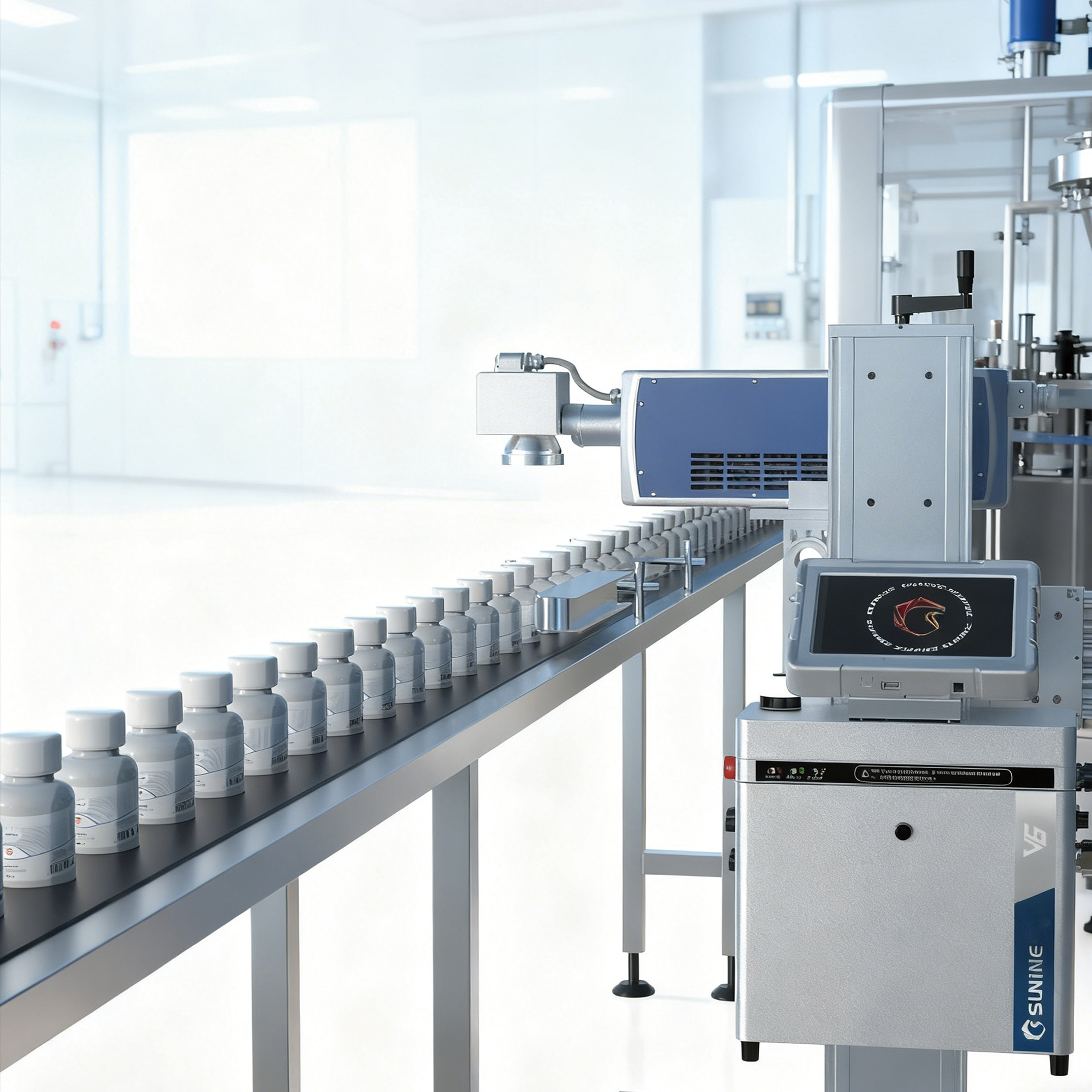
The Growing Laser Marking Industry: Beyond Components, True Technology Matters
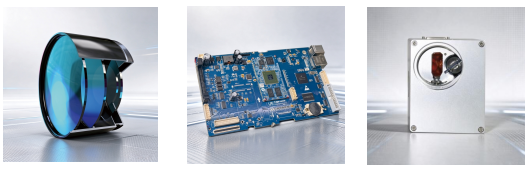
The real challenge is not putting components together. It is making them work together seamlessly
The laser marking industry has experienced rapid growth in recent years, attracting an increasing number of manufacturers and brands. While the market offers more choices than ever, not all machines are built with the same level of engineering expertise.
One common approach is component assembly: sourcing a laser source from one supplier, a galvanometer scanner from another, and a control board from a third, then integrating them into a complete machine under a new brand.
This approach can reduce initial R&D investment and accelerate time to market. However, assembling individual components does not necessarily mean achieving a fully integrated laser marking system.
The Hidden Costs of Poor System Integration
When independently sourced components are combined without sufficient system-level development and optimization, several problems can arise.
1. Poor System Compatibility
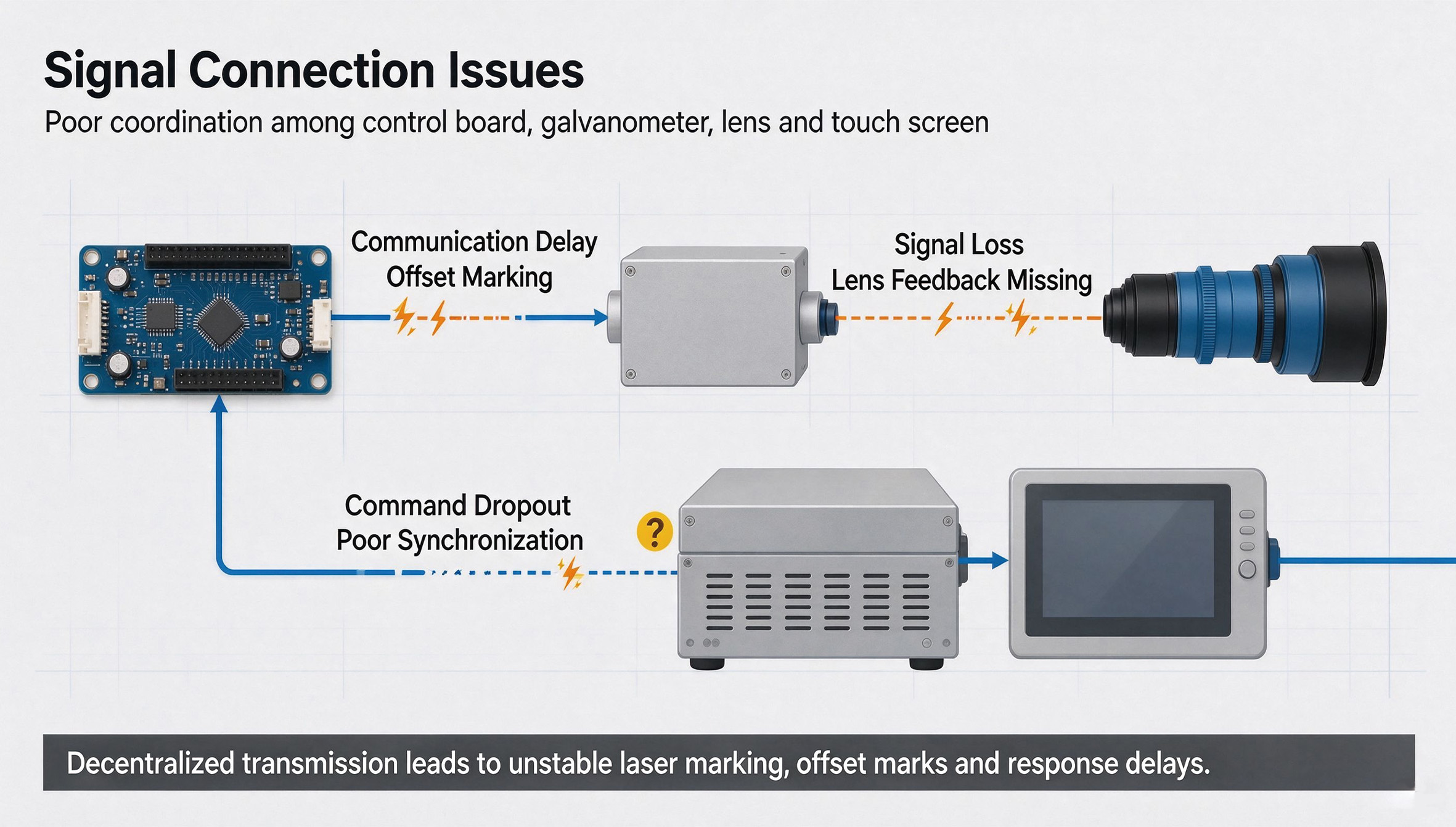
Laser sources, galvanometer scanners, and control systems may use different communication protocols and operating parameters. Without deep integration, system compatibility often relies on extensive manual adjustments.
The result can be inconsistent marking accuracy, delayed response times, and increased failure risks under demanding production conditions.
2. Inconsistent Product Quality
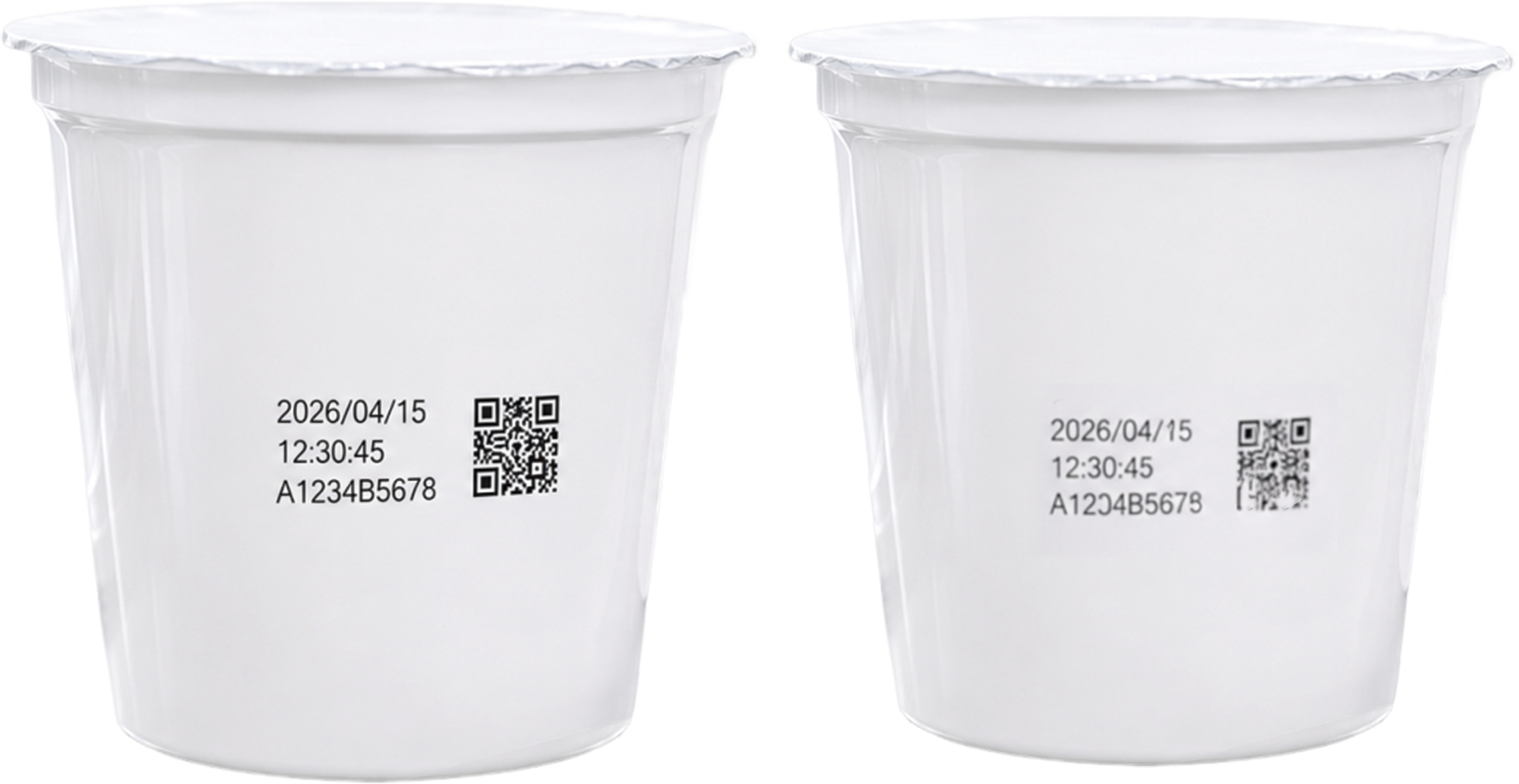
Component quality may vary between production batches. Changes in supplier specifications, component replacements, or discontinued parts can also affect machine performance.
When manufacturers have limited control over critical components, maintaining consistent quality becomes more challenging.
3. Complicated After-Sales Support
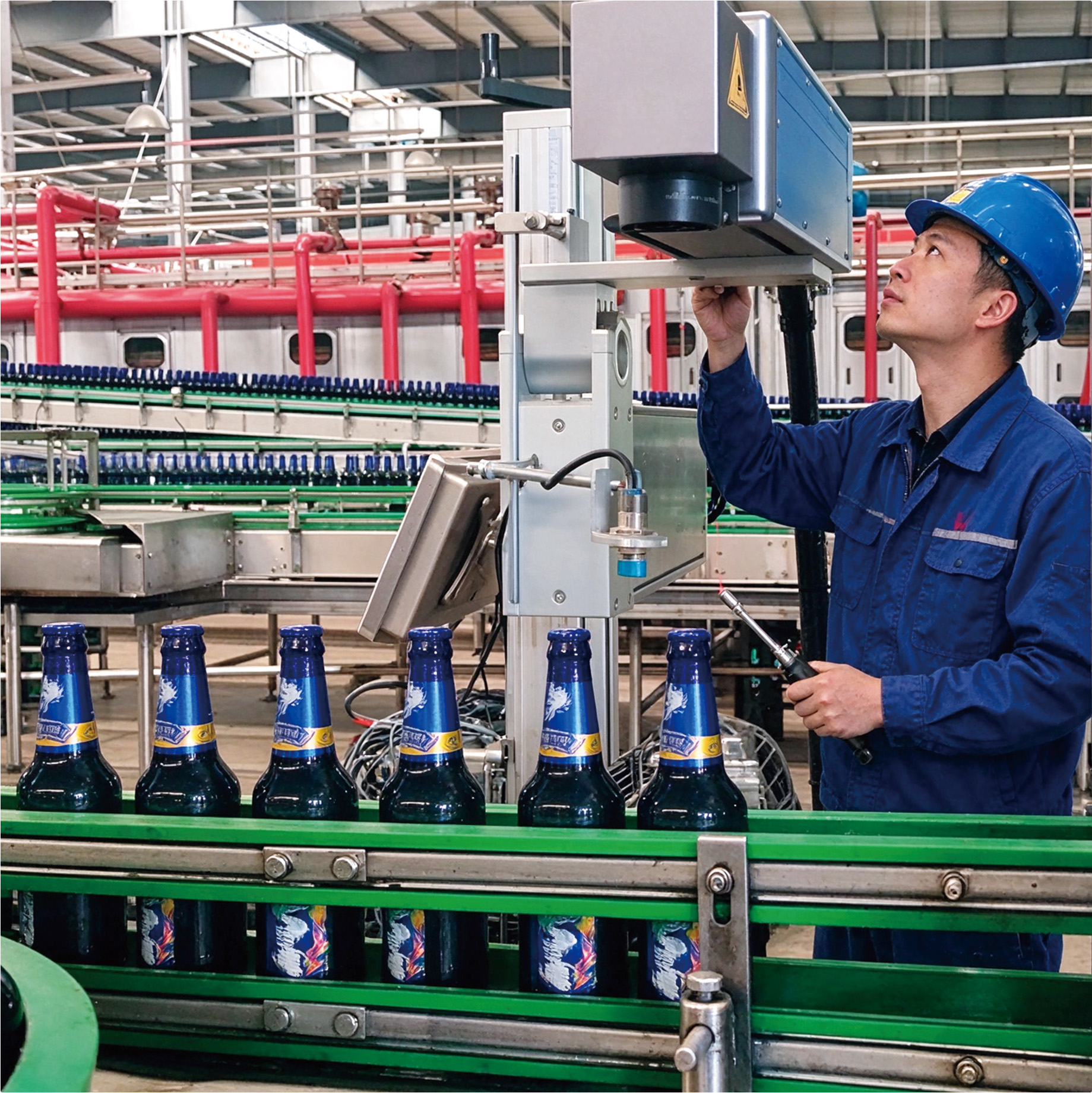
When a machine involves multiple independent suppliers, identifying the root cause of a technical issue can become complicated.
Responsibility may be passed between different suppliers, leaving customers waiting while production lines remain idle.
The initial savings on equipment costs can quickly be offset by maintenance expenses, troubleshooting time, and production downtime.
Why High-Speed Flying Marking Raises the Bar
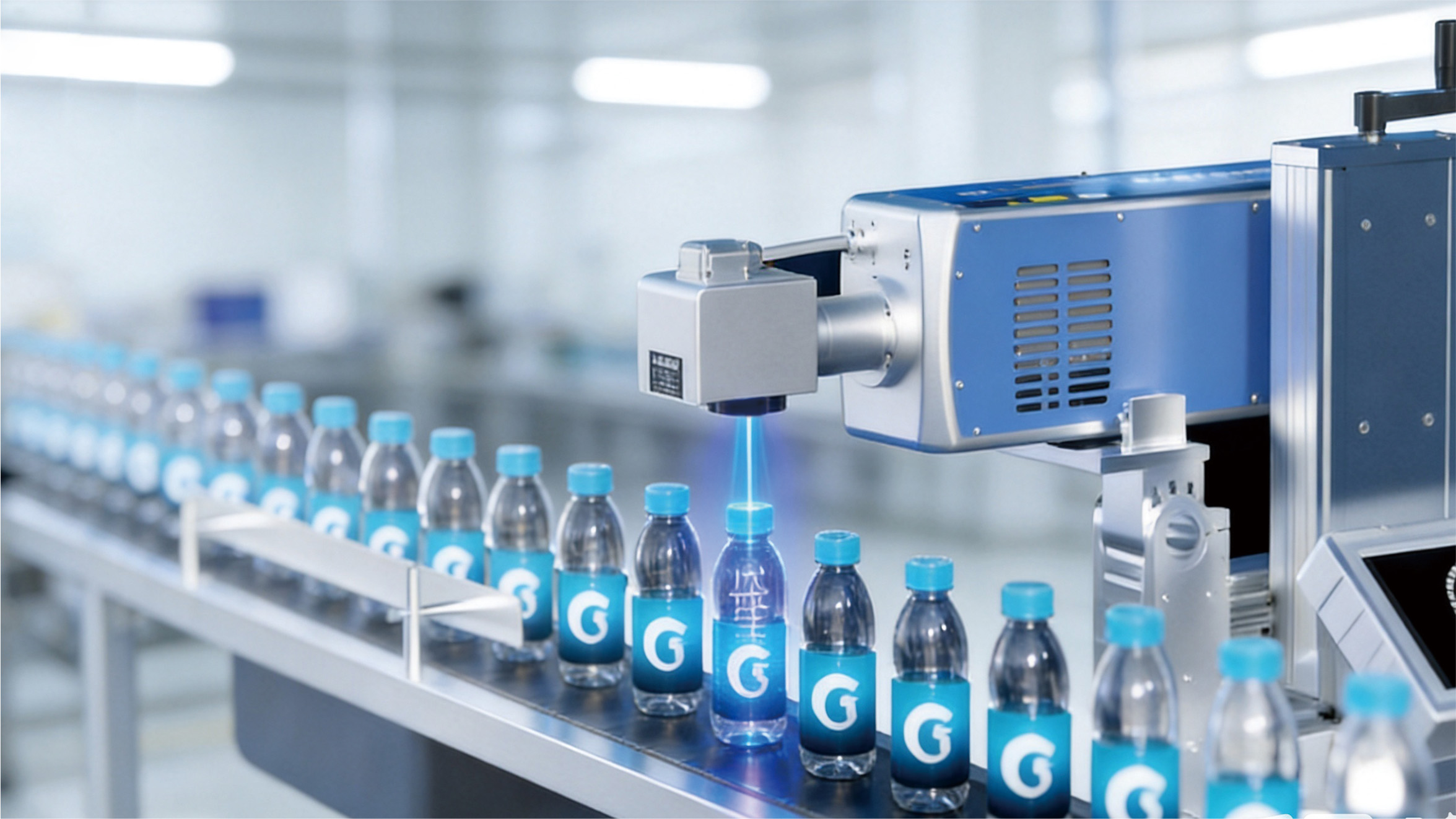
High-speed flying laser marking is far more demanding than conventional static marking.
As products move continuously along a production line, the system must calculate marking positions in real time and maintain precise synchronization with product movement.
This requires dedicated flying marking software and real-time encoder feedback to track product displacement.
In simple terms:
The production line keeps moving, but every mark must remain precisely in position
To achieve this, several critical technologies must work together:
· High-Speed Galvanometer Scanner: Must respond rapidly enough to keep up with production line speeds.
· Powerful Control Hardware: Must process marking instructions and position calculations in real time.
· Advanced Synchronization Algorithms: Must accurately coordinate laser output with product movement.
· Optimized Laser Modulation: Must work seamlessly with software-controlled filling and marking parameters to maintain marking quality at high speeds.
A machine that performs well under static or low-speed conditions may not deliver the same results in demanding flying marking applications.
Without sufficient system-level integration, performance limitations can become increasingly apparent as production speeds increase.
This is where independent component assembly reaches its engineering challenges.
The Answer: In-House Development of Core Technologies
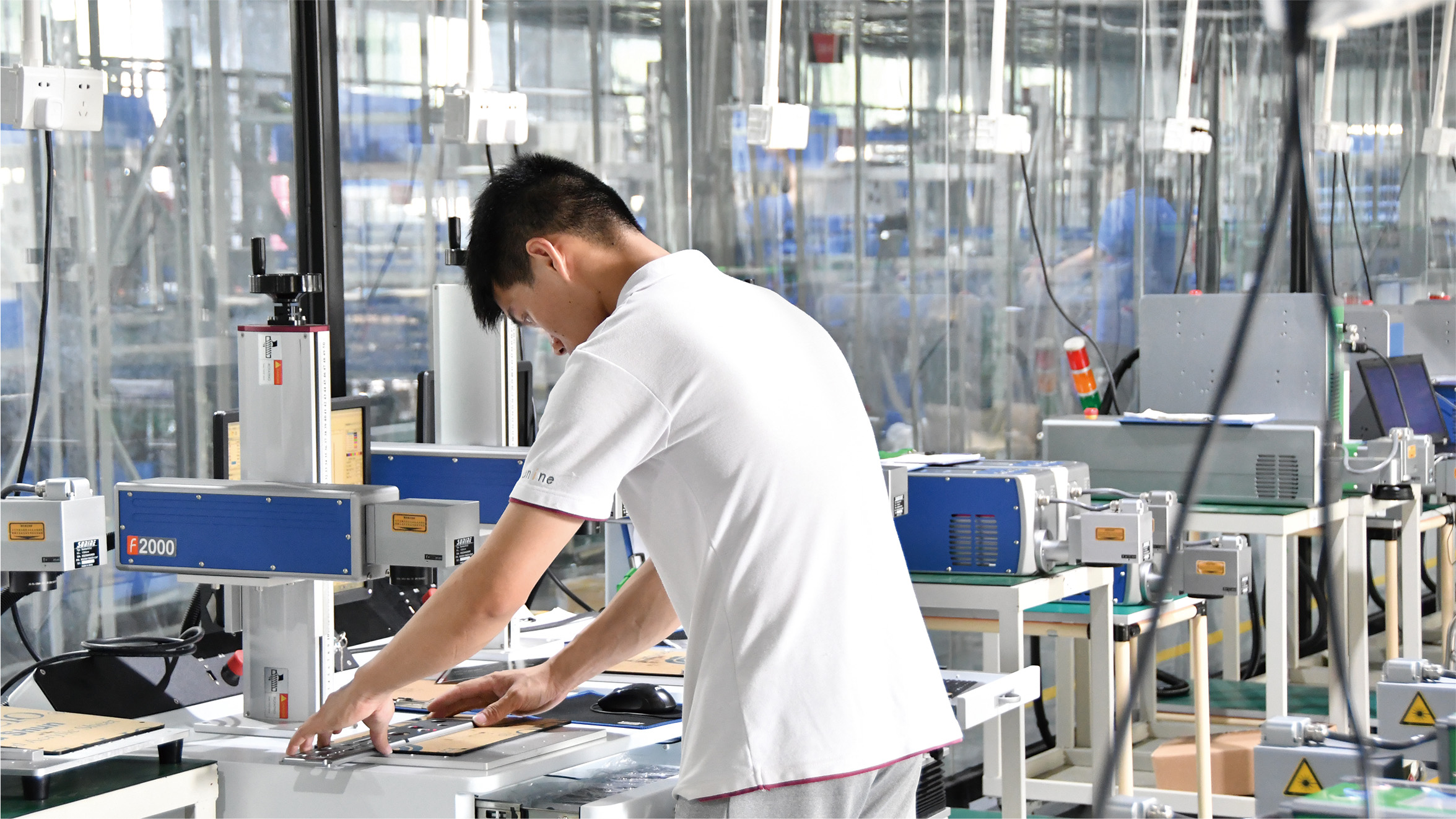
At SUNINE, we believe that reliable laser marking performance starts with control over the technologies that matter most.
Rather than relying solely on externally sourced components, SUNINE develops its three core technologies in-house:
1. In-House Laser Source Development
By developing our own laser sources, we maintain greater control over key optical parameters, including output power, pulse duration, and beam quality. This allows us to optimize laser performance according to different marking requirements.
2. In-House Galvanometer Scanner Development
Our galvanometer scanners are engineered and optimized to work with our own laser sources. This enables better coordination between scanning accuracy, response speed, and overall system performance.
3. In-House Control System Development
With independently developed control systems and underlying software, we can continuously improve algorithms, customize functions, and identify technical issues more efficiently.
This integrated development approach allows SUNINE to optimize the entire marking process rather than simply combining individual components.
Performance Backed by Engineering
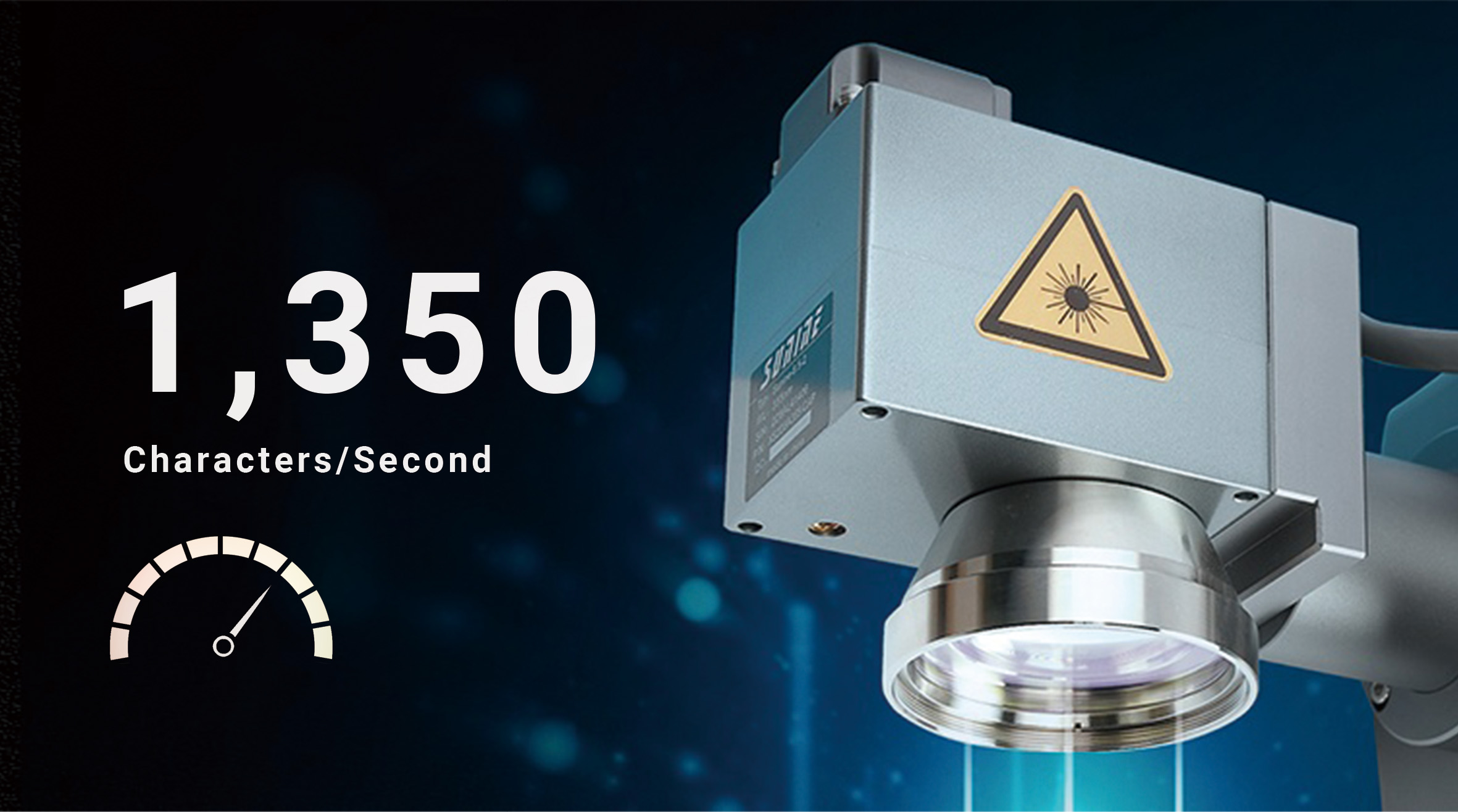
A practical example is our galvanometer scanning technology.
SUNINE's galvanometer scanners can achieve marking speeds of up to approximately 1,350 characters per second, compared with a commonly referenced domestic industry level of around 600 characters per second.
This performance is supported by the coordinated optimization of motor design, mirror weight, control algorithms, and overall system integration.
The difference is not simply about having a faster scanner. It is about optimizing every part of the system to work together.
One Team · One System · Complete Technical Support
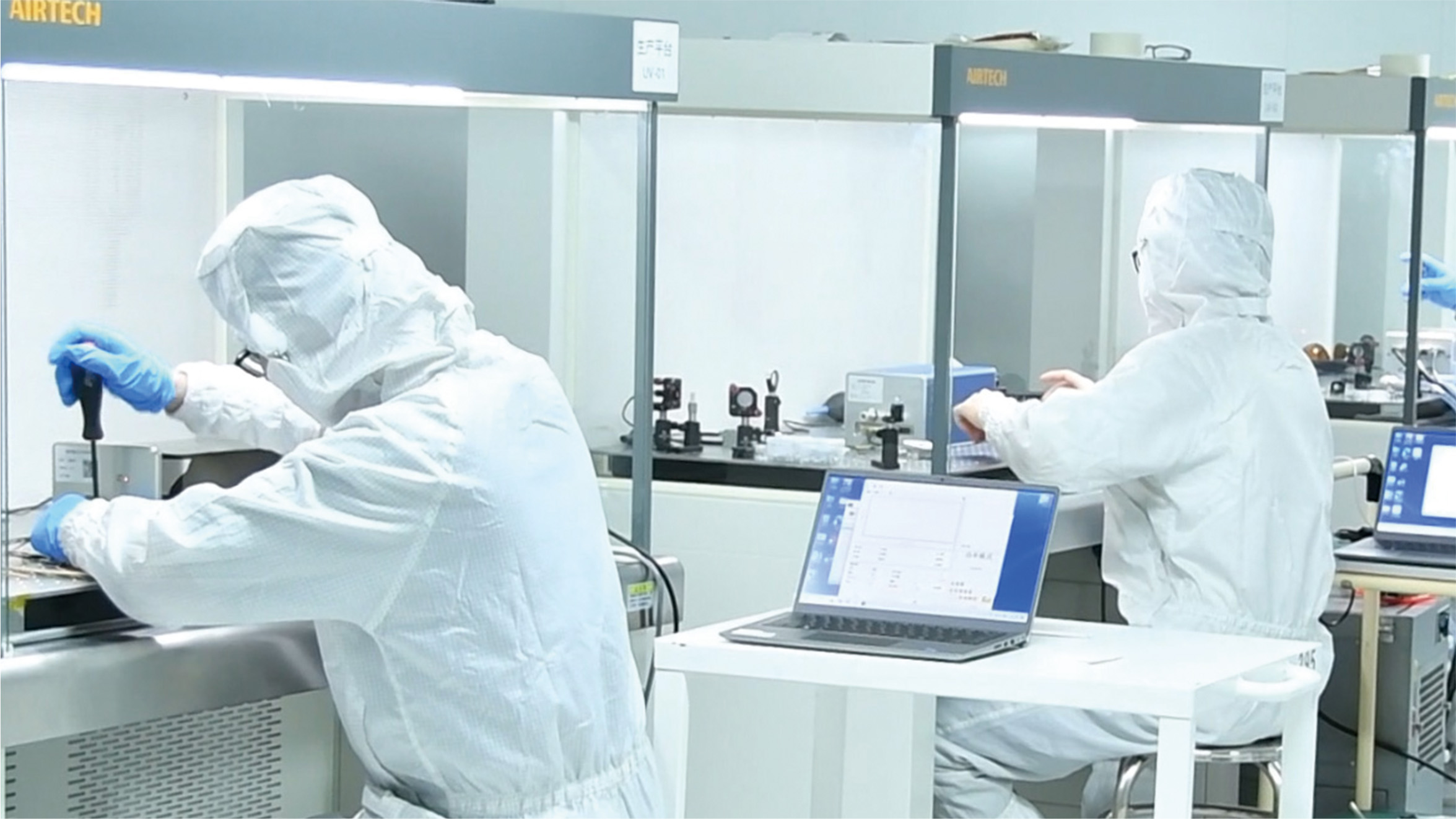
Technology ownership also makes a difference when customers need technical assistance.
Because SUNINE develops its core technologies in-house, our technical team can provide coordinated support across the laser source, galvanometer scanner, control hardware, and software.
There is no need to navigate multiple independent suppliers to identify who is responsible for a technical issue.
From hardware development to software optimization, our team has a deeper understanding of how the entire system operates.
Every component is designed with the complete system in mind. Every improvement is driven by real application requirements.
Beyond Assembly: Building Integrated Laser Marking Solutions

For industrial manufacturers, choosing a laser marking machine is not simply about comparing specifications or purchasing costs.
It is about ensuring consistent marking quality, minimizing production interruptions, improving operational efficiency, and securing reliable long-term technical support.
At SUNINE, we believe that these results come from more than assembling good components.
They come from developing, integrating, and continuously optimizing the technologies behind the entire system.
SUNINE
In-House Engineering · Integrated Performance · Reliable Marking
Talk with our laser marking team
Tell us about your material, marking content and production requirements.
Contact Us